Linyanti Savuti Area
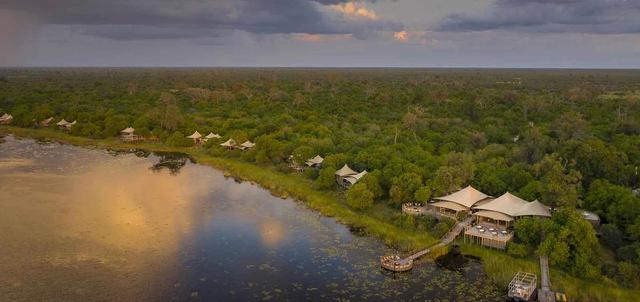
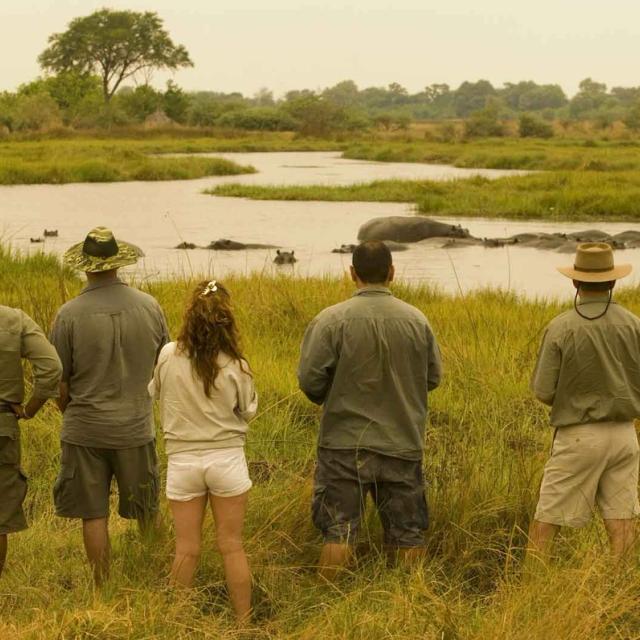
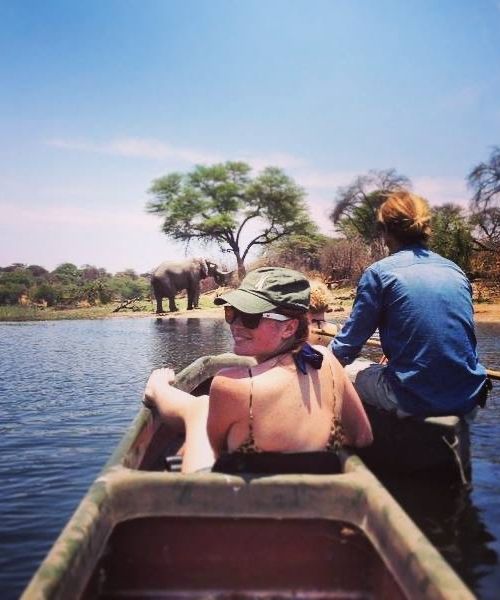
This prime Big 5 safari area is on the southern banks of the Linyanti River, where the Savute marsh subsides into lagoons and steadily flowing rivers with riverine forests of jackalberry and sausage trees. It is a prime game viewing area covering almost 5000 sq km in the south west of Chobe National Park. It is here that some of the best wildlife documentaries have been made for National Geographic by Derek and Beverely Joubert.
Linyanti Savuti Area Highlights
The Savuti region covers an area approximately 5000 sq km in the south west of Chobe National Park and became well known with the drying up of the Savuti Channel in the early 1980s. Even more so, it is known as an incredible game viewing paradise. The Savuti Channel started flowing again after 30 years.
The pans and pumped water holes become the major attractions during the dry winter months when the natural water supplies dry up. The area is considered one of the continent's last wild and unspoiled wilderness areas. During the rainy summer months many animals migrate to the fertile Savute Marsh.
The Savute Marsh area is well known for its coverage in a number of well-known wildlife documentaries, especially the National Geographic films by Dereck and Beverly Joubert. The landscape consists of rich grasslands, savannah woodland and a large variety of trees and vegetation. A Big 5 safari will take visitors on game drives to spot the amazing variety of game on offer in Linyanti Savuti area.


The Savuti Channel and the Linyanti River combine to create this wildlife region in the south west of Chobe National Park, which is a water wonderland of marshes and waterways.
Traditionally the Linyanti was an area guests were encouraged to visit in the winter months; however with the Savuti Channel flowing again after a 30 year drought, we believe it is a spectacular area to visit any time of the year.
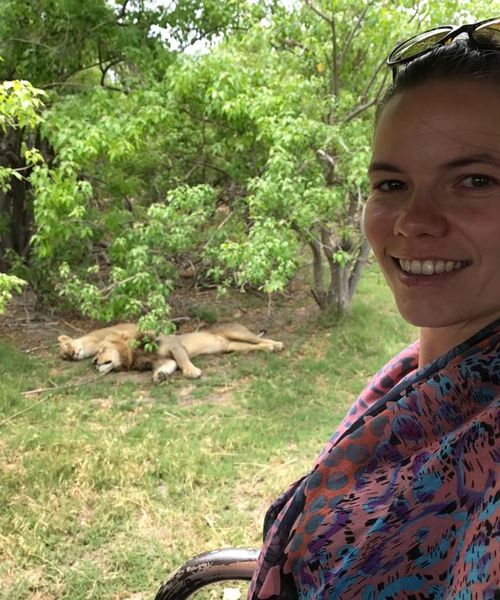
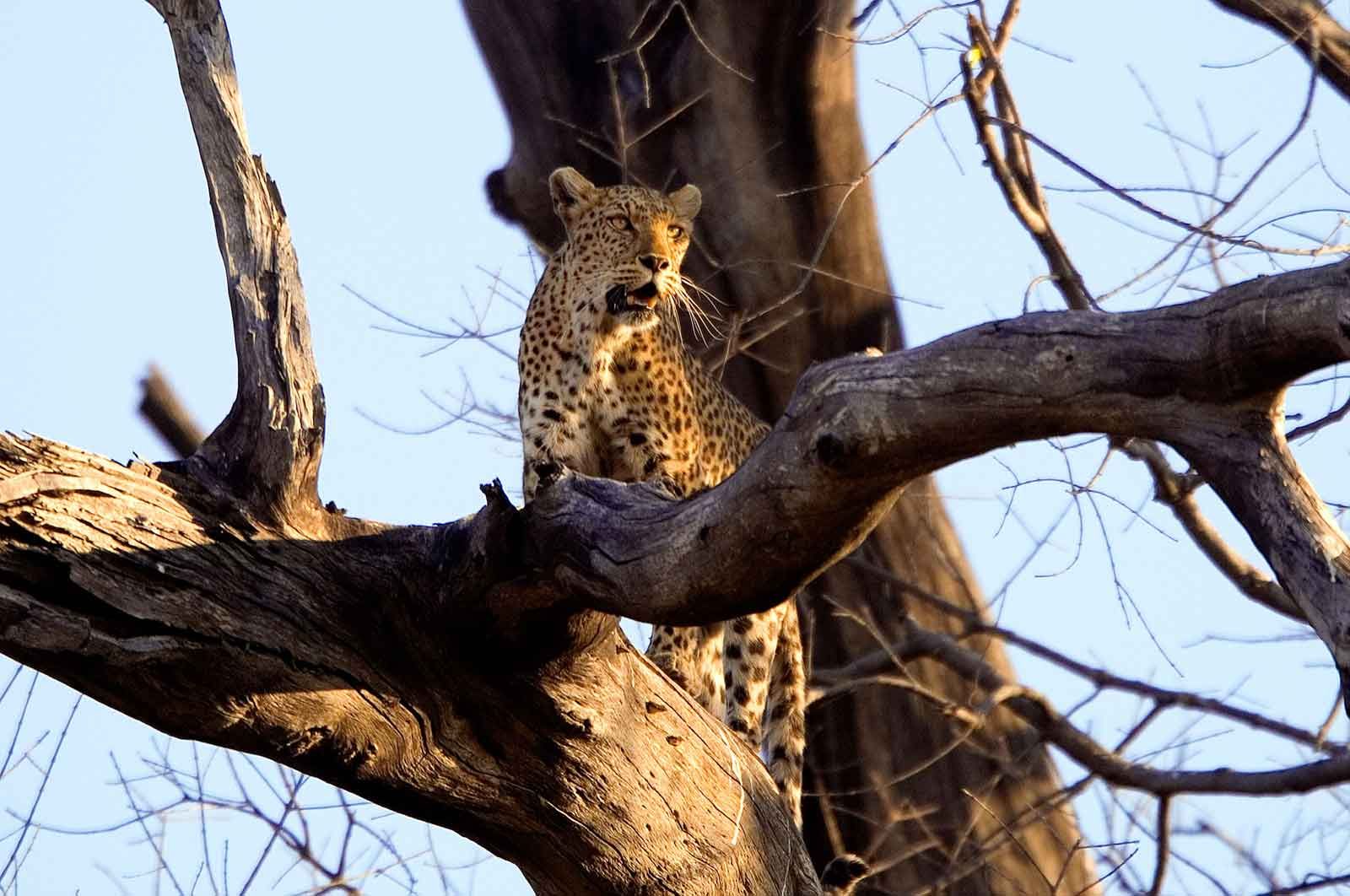
Predator viewing is superb in Savute, with lions, leopards and hyenas competing for the variety of prey in this game-rich area. Lions in this area have particularly been known to hunt and kill elephants.
Botswana Safaris don’t get much better than a combination of 3 nights in the Linyanti and 3 nights in the Okavango Delta. Our Botswana Safari Price Guide details the costs of the camps and will point you in the right direction in planning your Botswana Safari.
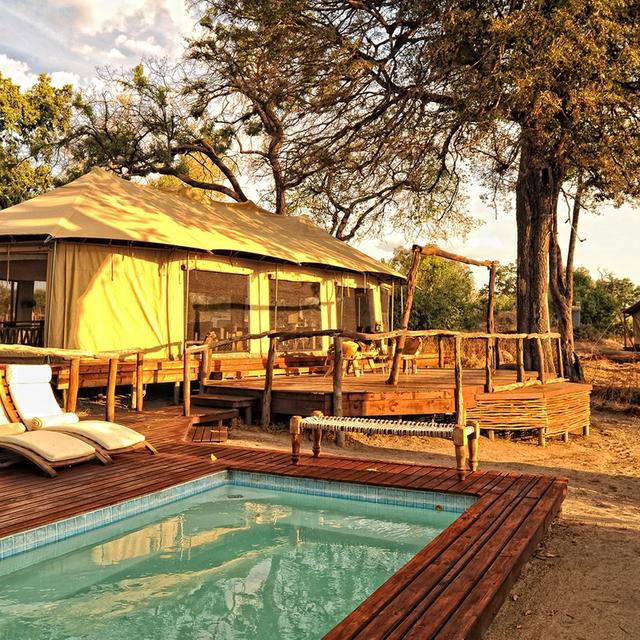
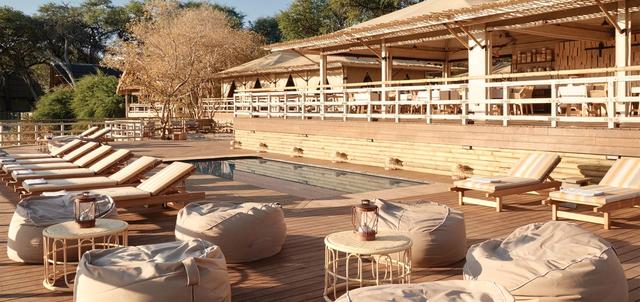
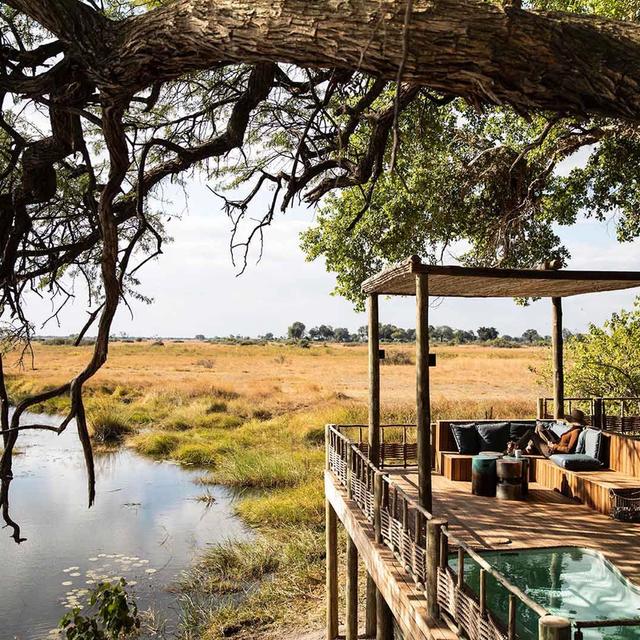
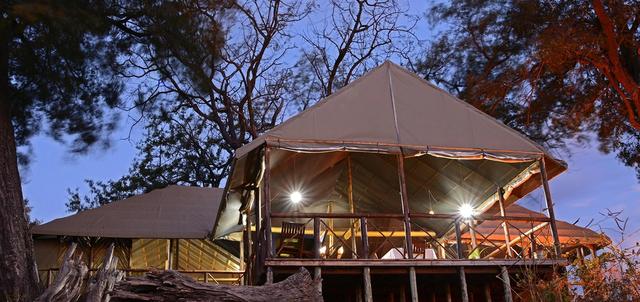
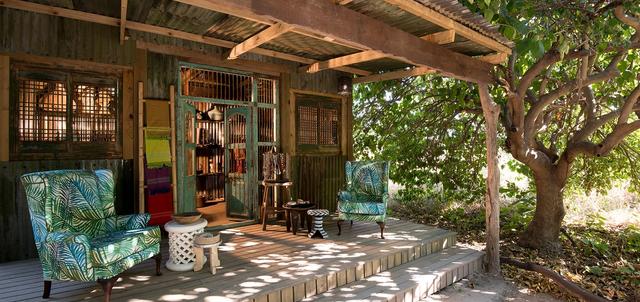
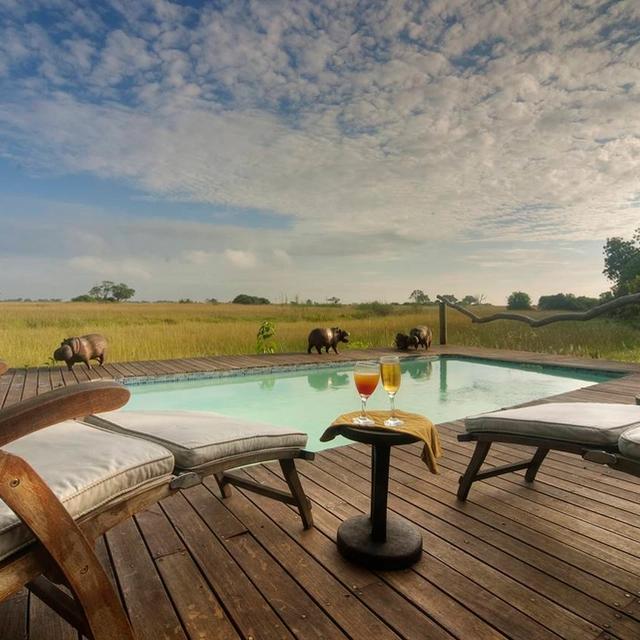
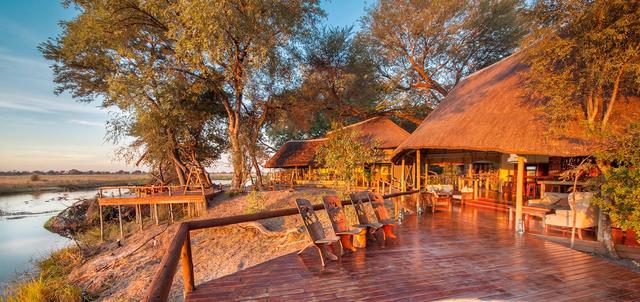
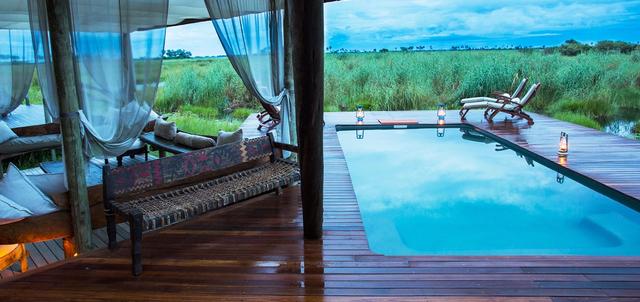
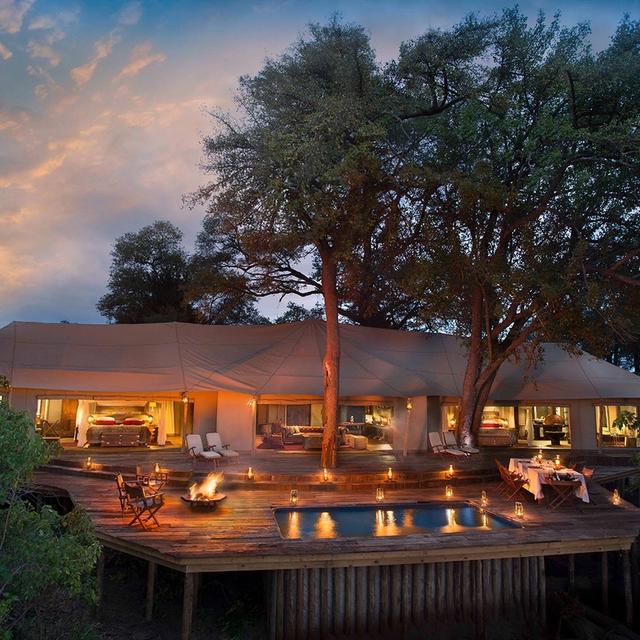
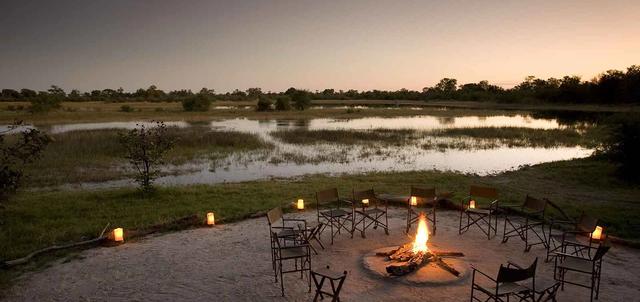
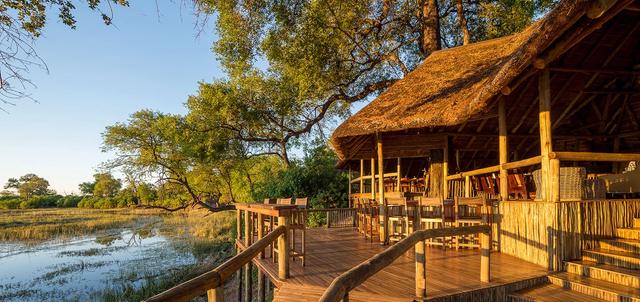
The famous Savuti Channel flowing through the Linyanti Wildlife Reserve makes this one of Botswana’s best wildlife viewing areas. There are a number of camps making use of this wild location, offering everything from adventure camping to luxury lodging. Here are some of the Botswana Lodges on offer for a Linyanti Savuti safari tour:
Savuti Camp is perfectly located on the banks of the Savuti Channel, which is flowing again after a 30 year drought. This luxury tented camp provides a quality safari experience with every opulent detail in place.
Kings Pool Camp is nearby and also allows guests to experience the classic Linyanti safari in luxury, with large elephant herds as well as the presence of all the predators.
Kwando Lebala , which is in the Kwando Concession is considered one of the best camps at which to view all of the Big 5, incorporating night drives and off-road game drives into guests' itineraries.
How to Get There
Guests setting out to tour the Savute region of Botswana will have flights arranged by their Sun Safaris agent from South Africa's OR Tambo Airport to Kasane Airport in the north of Botswana.
Chobe National Park is the 2nd largest in the country and the Savute Linyanti area is located in the south west of the park, which is a far way from Kasane.
Upon arrival at the airport, guests will connect with their pre-arranged air transfers to the Savute airstrip, taking them right into the wilderness by air.
For the final leg, guests will be picked up at the local airstrip by their guides or hosts and be driven through the wild reserve to their destined camp or lodge.
Guests who start on an Okavango Safari or in another part of Botswana, will be booked on a light air transfer between their lodges.
Linyanti Savuti Area Game Viewing and Activities
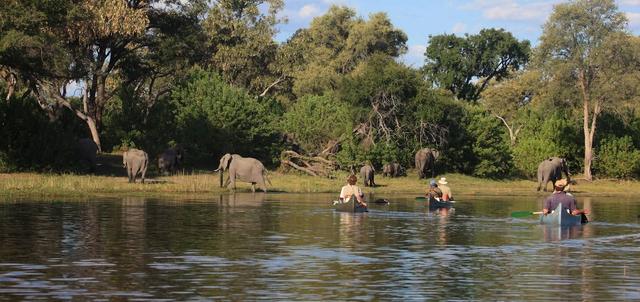
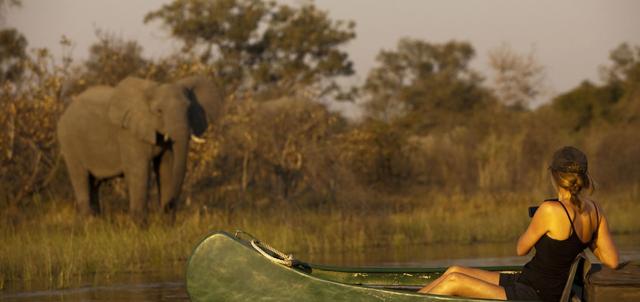
The Savuti area is renowned for offering spectacular game viewing opportunities. During the dry season, guests can expect to see Savuti's famous resident bull Elephants, antelope and lion prides as well as black-backed jackal, bat-eared fox, tsessebe, kudu, impala, giraffe and ostrich.
During the summer months thousands of zebra and antelope species migrate to the area offering fantastic predator viewing including lion, hyena and cheetah. Buffalo herds arrive with the rains, as do migrant bird species, while the resident species number over 300.
The Savute marsh is where lions are known to be particularly skilled at hunting and killing elephants. It is a trend that has dissipated in more recent years, but visitors still travel to Savute with the hopes of catching a glimpse of this natural spectacle.