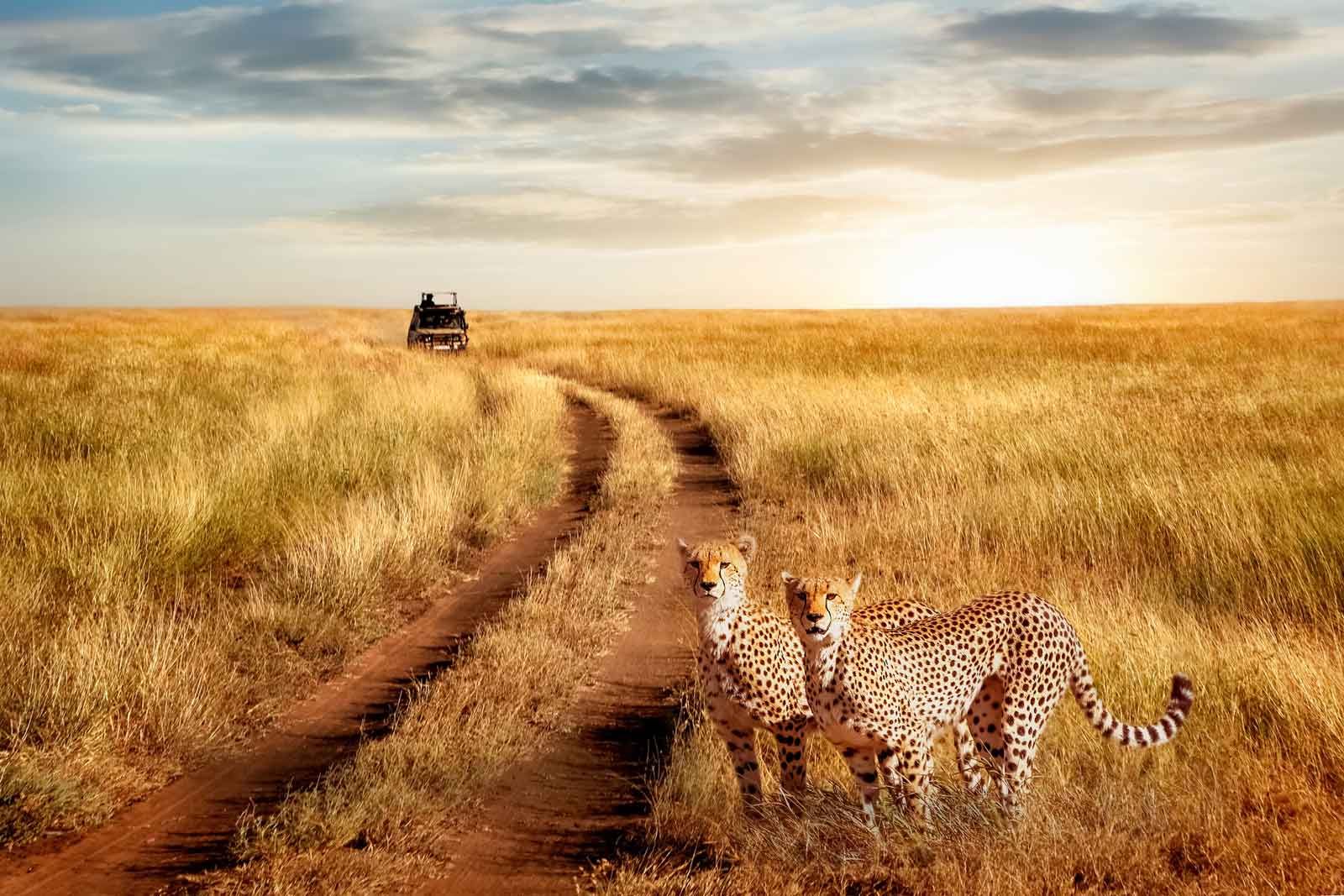
Serengeti National Park
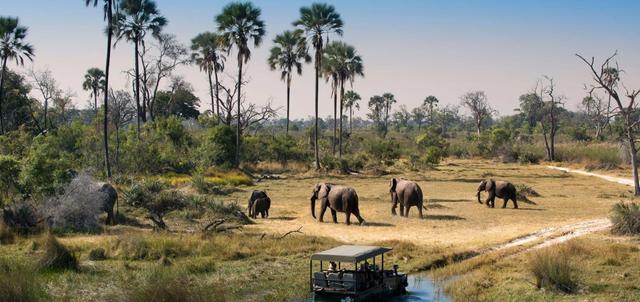
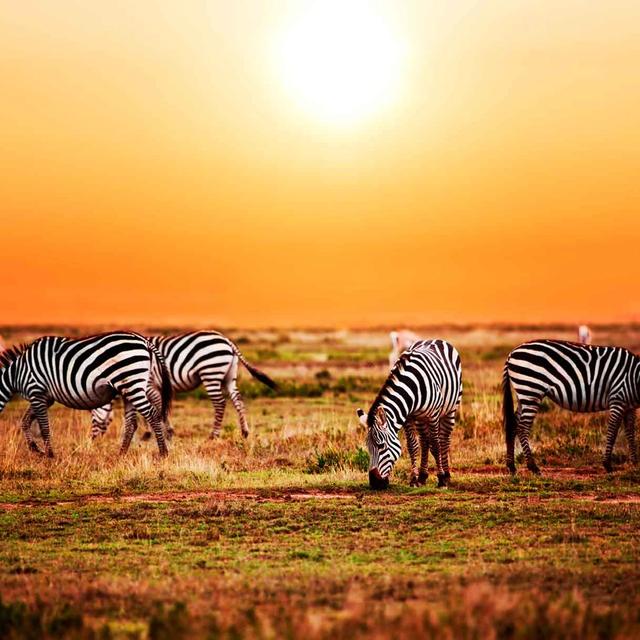
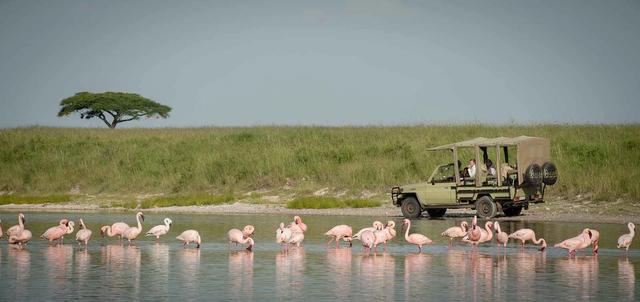
The Serengeti National Park symbolises the classic African safari. With more than 2 million wildebeest, half a million Thomson's gazelle, and a quarter of a million zebra, it has the greatest concentration of plains game in Africa. Safari camps and lodges in strategic locations ensure you are never far from the action.
Serengeti National Park Highlights
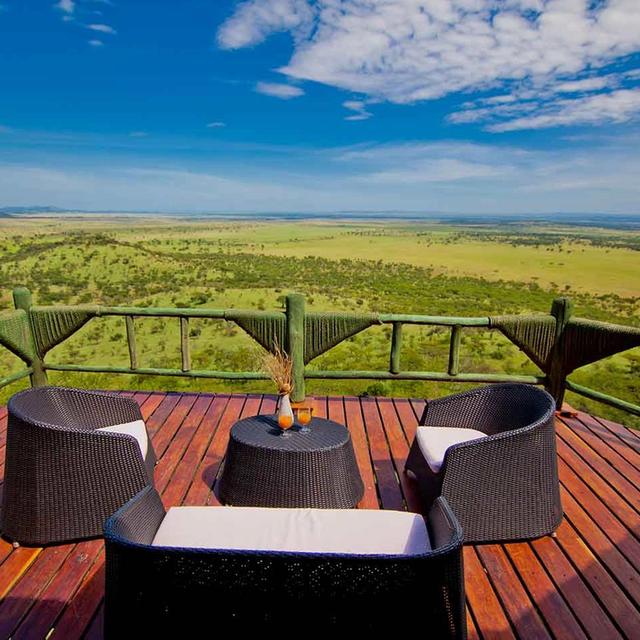
The name 'Serengeti' comes from the Maasai language and means an 'extended place'. The National Park alone covers an area of 13 000 sq km. The Serengeti ecosystem, which includes the Ngorongoro Conservation Area, the Grumeti Reserve, the Maswa Game Reserve, the Masai Mara Game reserve (in Kenya) and numerous concession areas, is roughly the size of Sicily. It lies between the shores of Lake Victoria in the west, Lake Eyasi in the south, and the Great Rift Valley to the east.
Serengeti National Park is one of the best-known wildlife sanctuaries in the world, and symbolises the classic African safari. With more than 2 million wildebeest, half a million Thomson's gazelle, and a quarter of a million zebra, it has the greatest concentration of plains game in Africa.
The Serengeti is also synonymous with the wildebeest and zebra migration that encompasses a vast area of both the Serengeti and the neighbouring Masai Mara National Park.


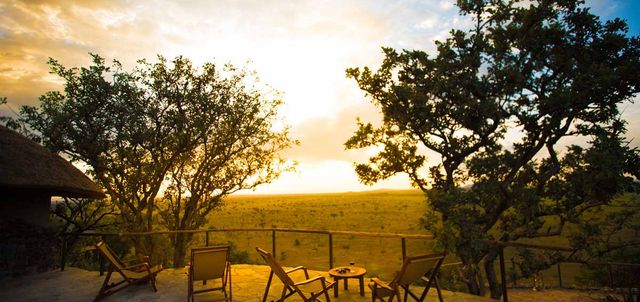
The Serengeti is in the top 3 safari destinations in Africa, arguably the best of them all. Its size, lack of infrastructure, diverse landscape and wide open savannah make it the quintessential safari destination.
It is the home of the Great Wildebeest Migration for 9 months of the year. The migration moves around the Serengeti and it is important to understand where they are likely to be when you plan your visit. See our detailed description of the Great Annual Migration to get an understanding of the wildebeest migration.
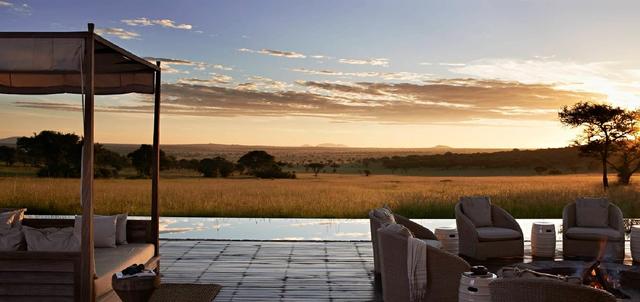
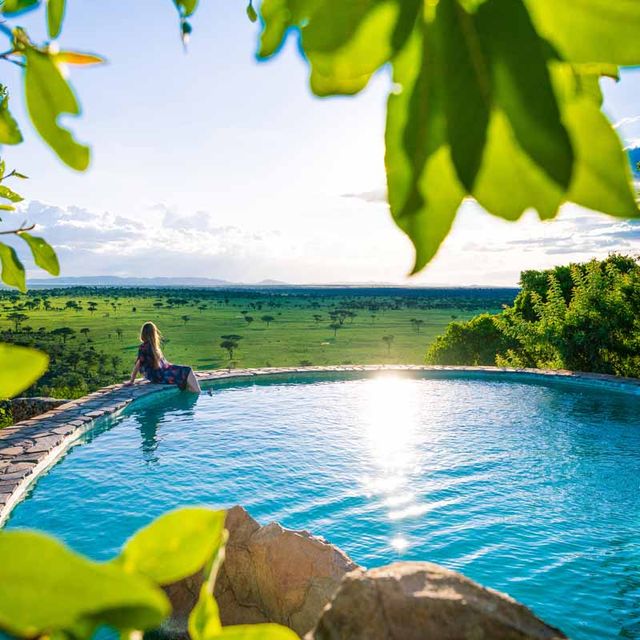
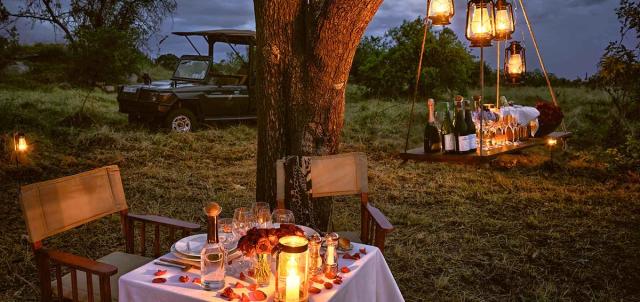
Compared with other reserves of its size, the Serengeti has very few lodges, camps, hotels, migration camps, etc. This makes it extra special for those that can afford it as you are unlikely to bump into masses of other visitors.
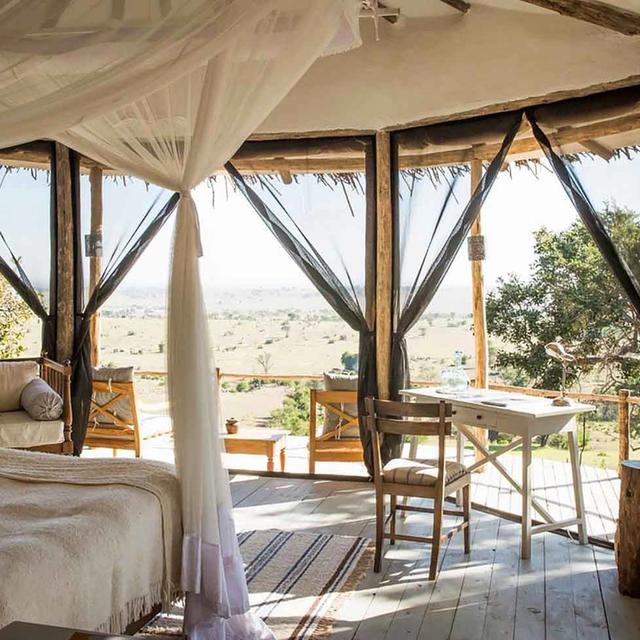
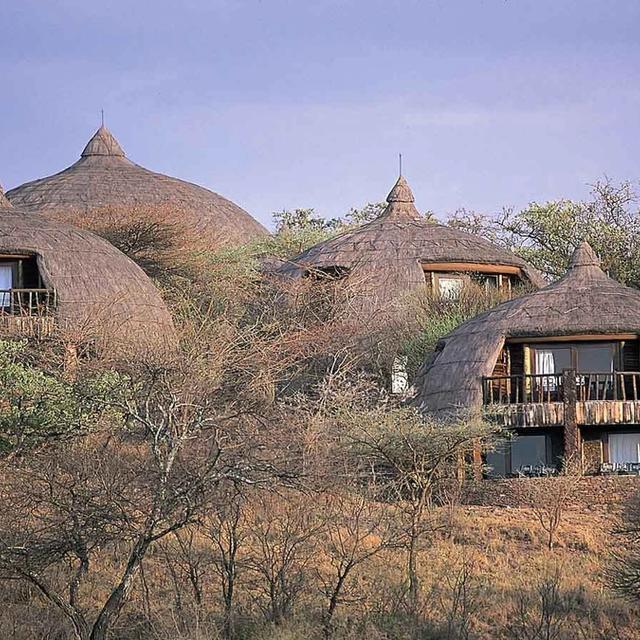
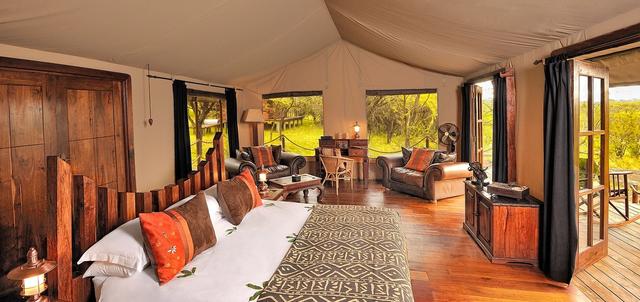
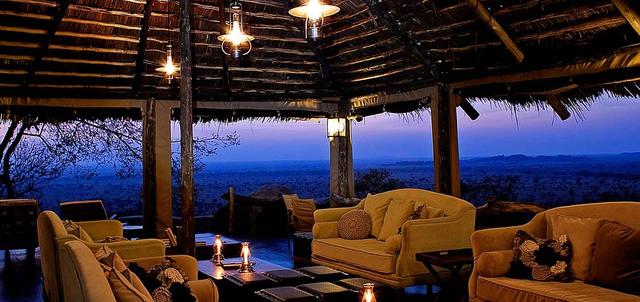
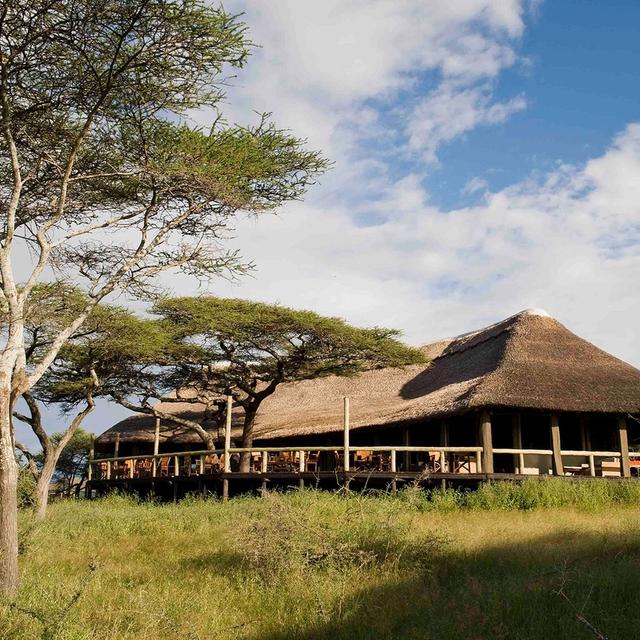
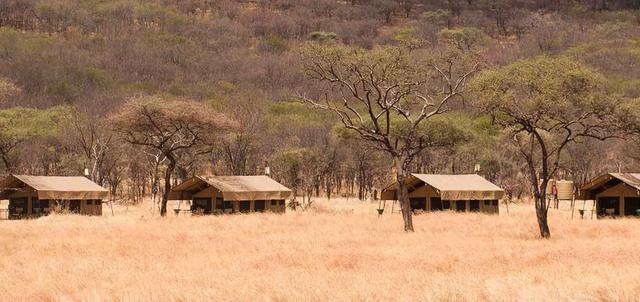
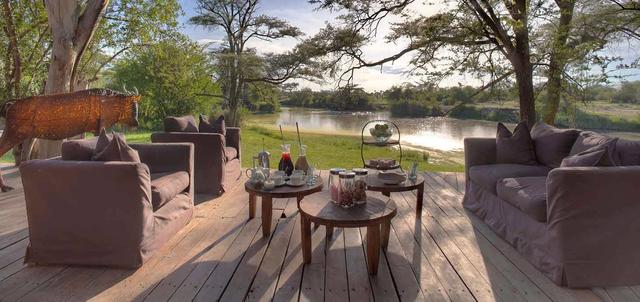
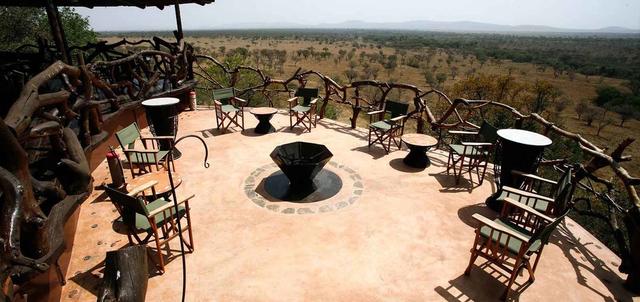
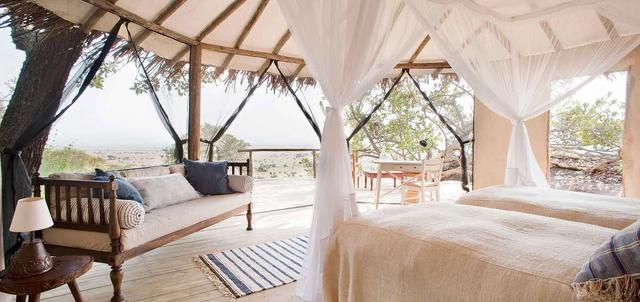
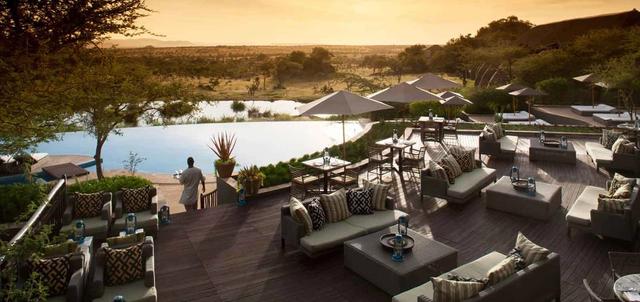
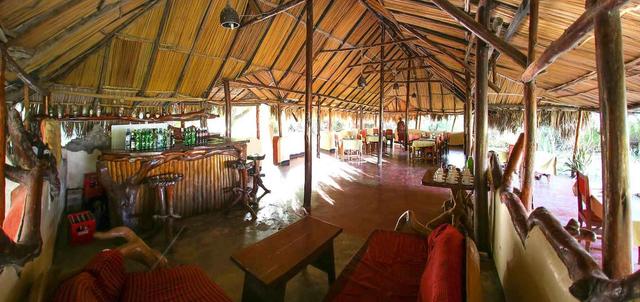
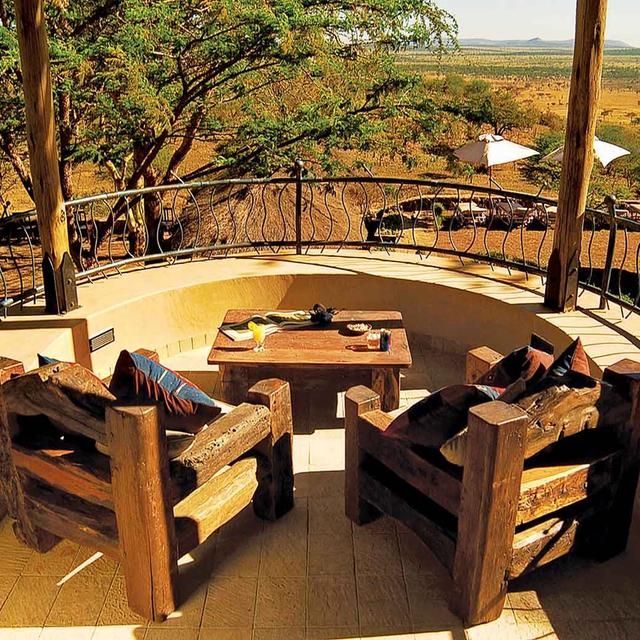
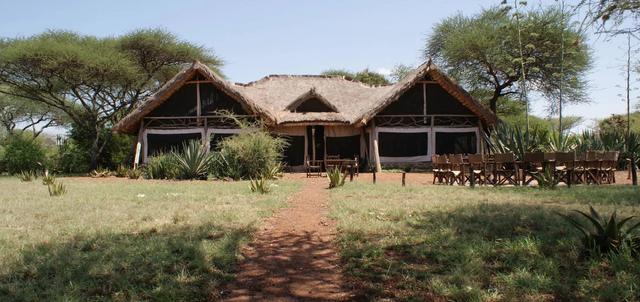
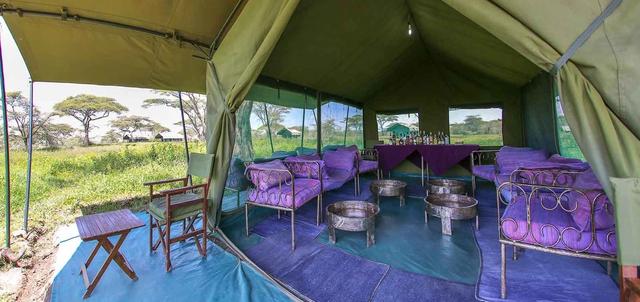
The Serengeti National Park is such a popular destination and there are many quality lodges at which to stay, but we have narrowed it down to a couple we feel might be the most suitable to our guests' needs.
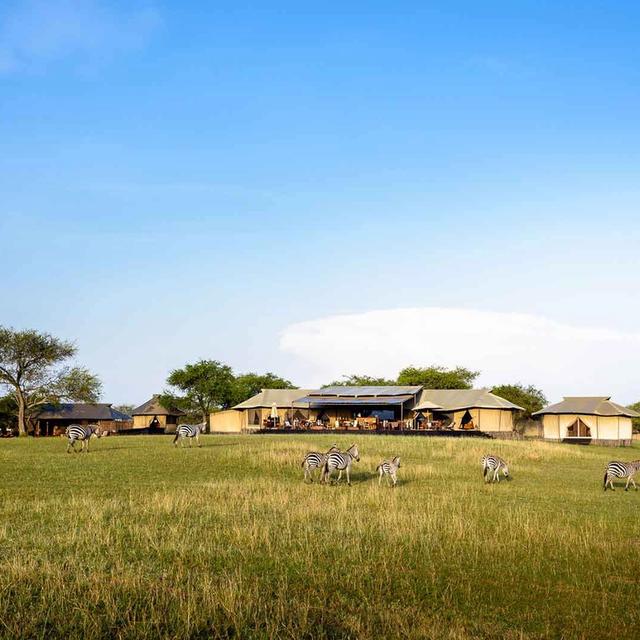
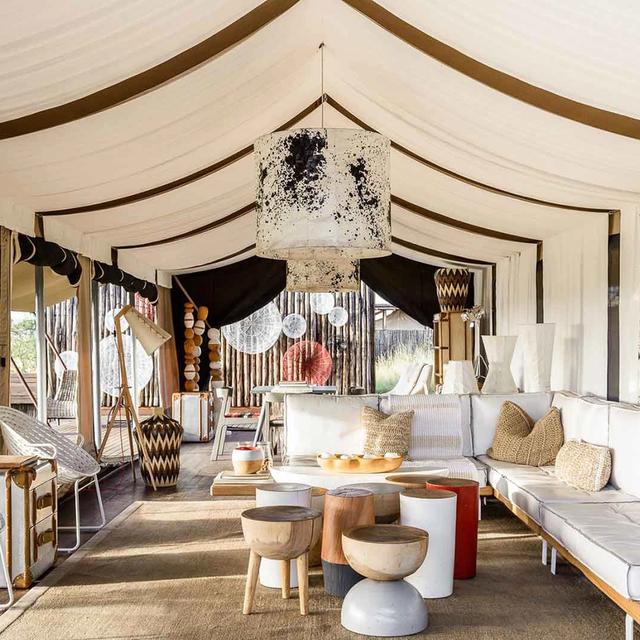
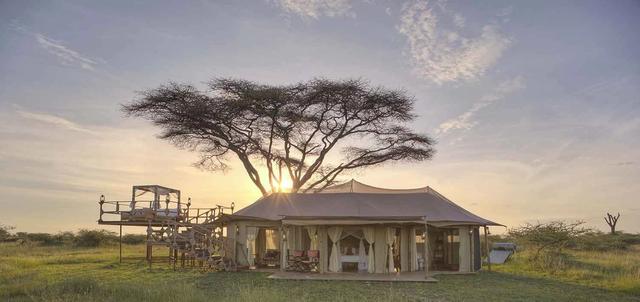
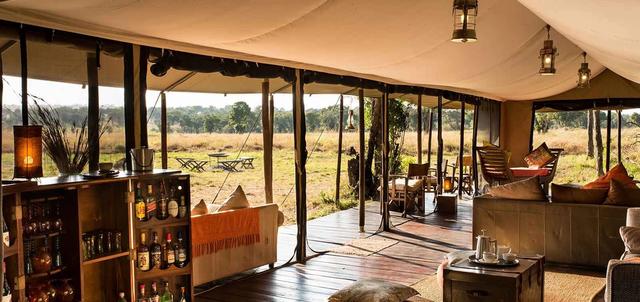
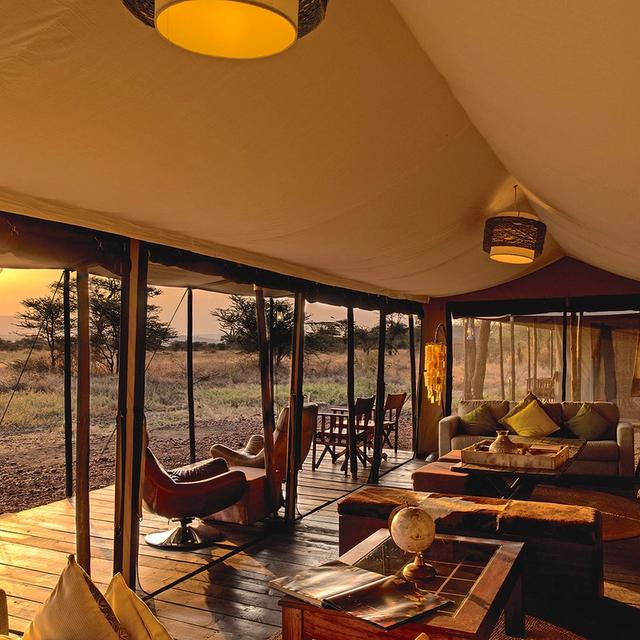
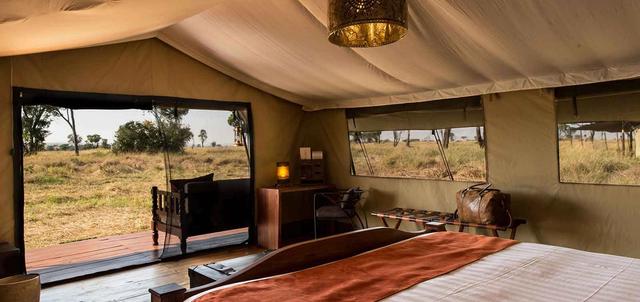
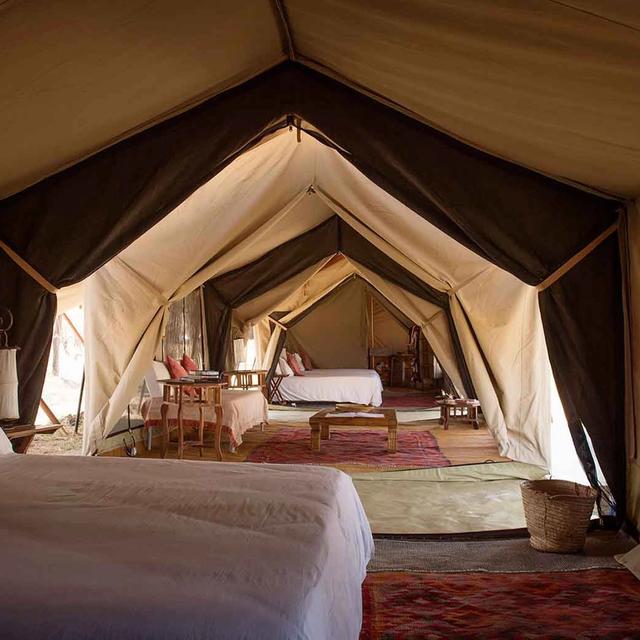
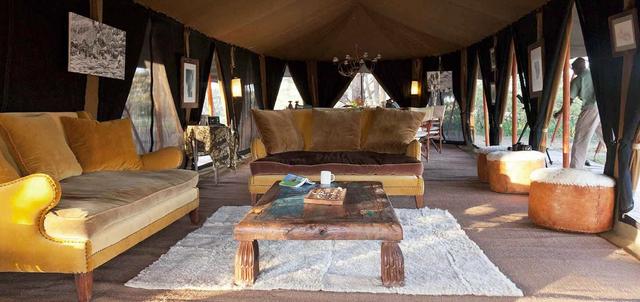
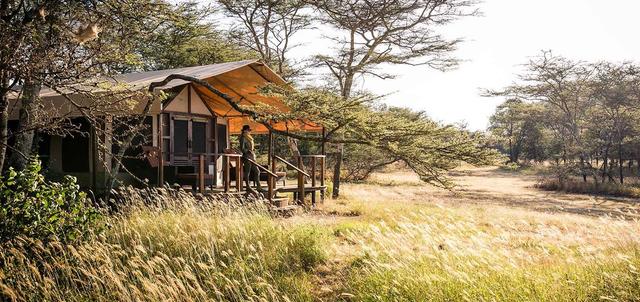
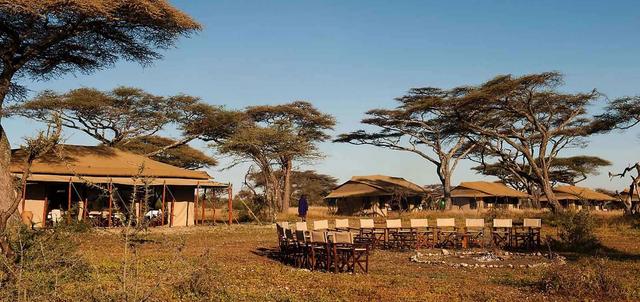
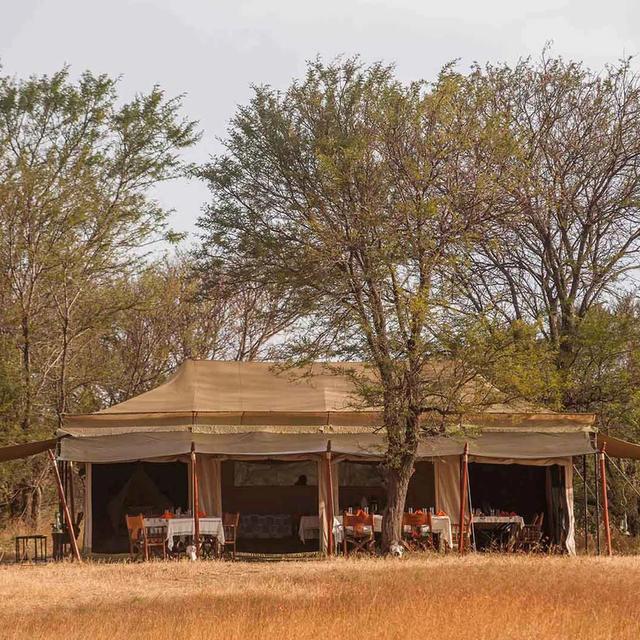
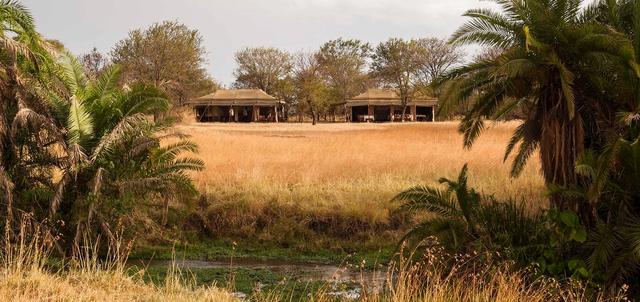
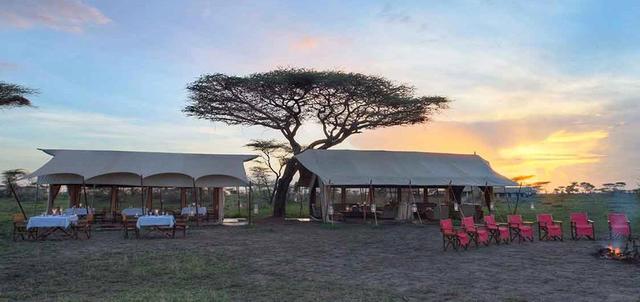
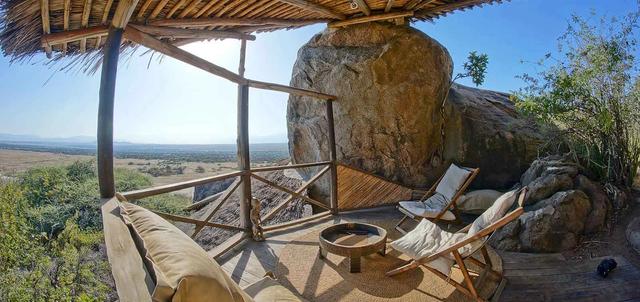
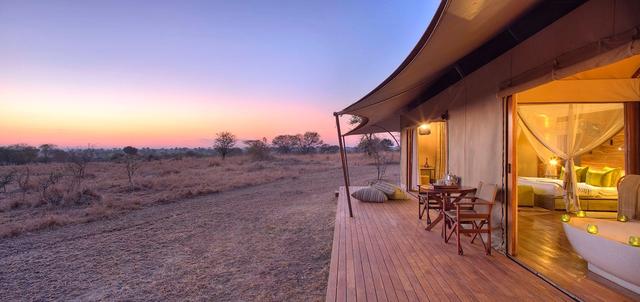
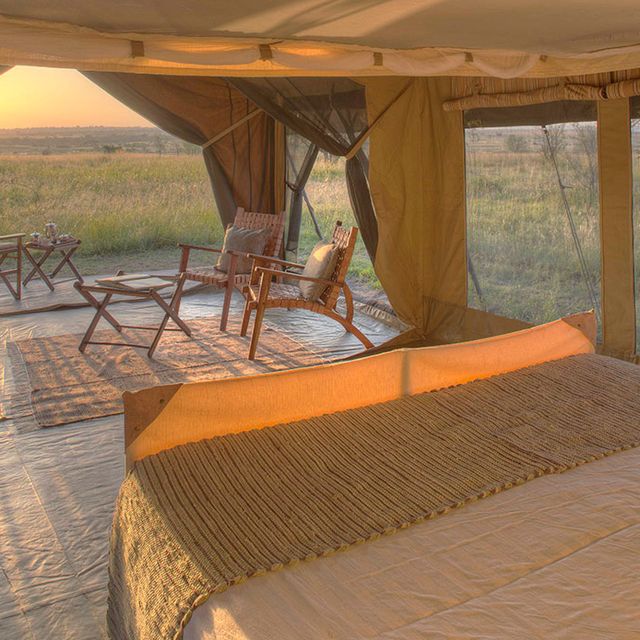
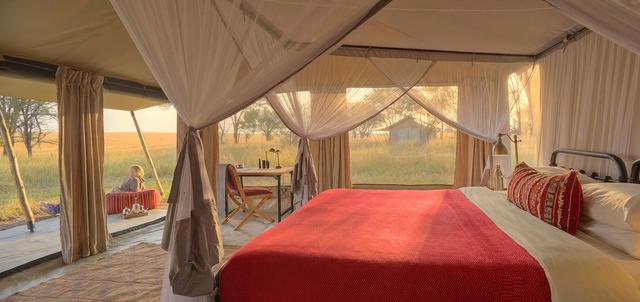
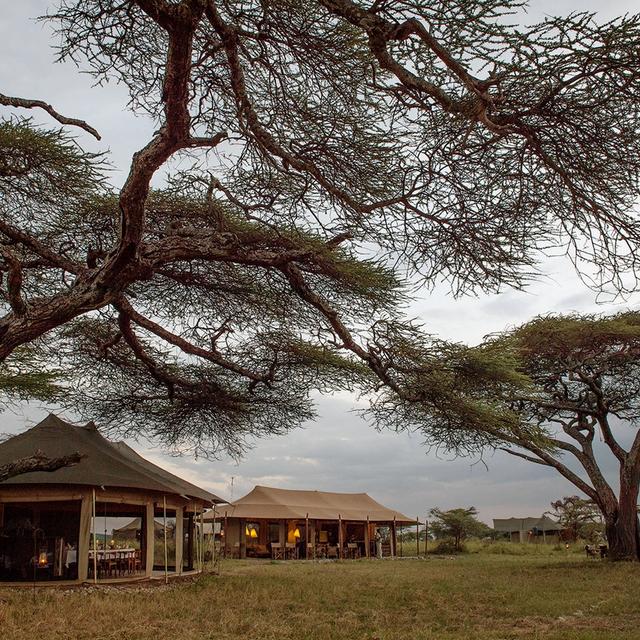
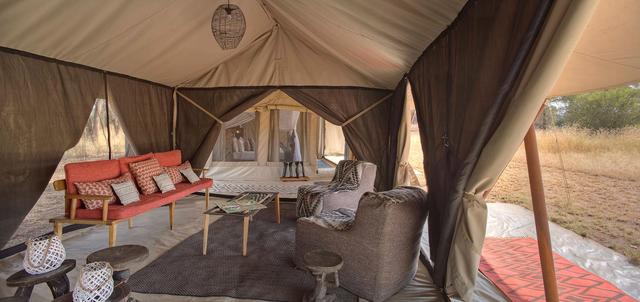
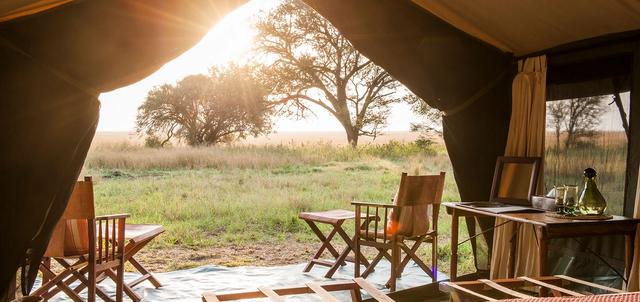
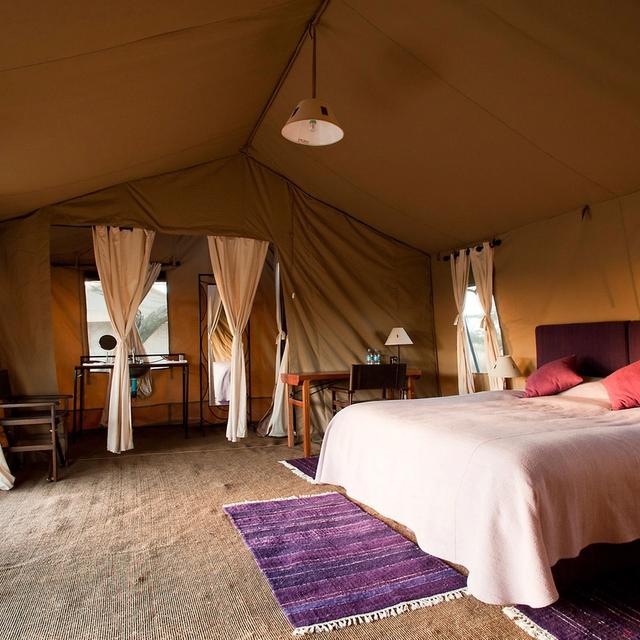
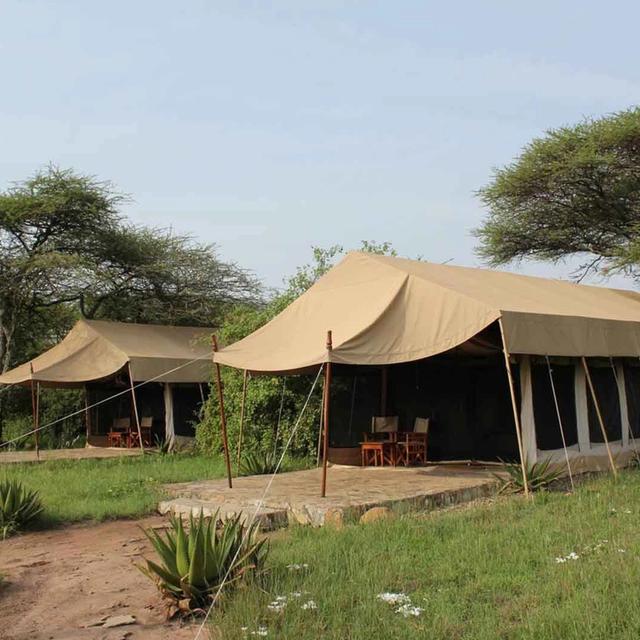
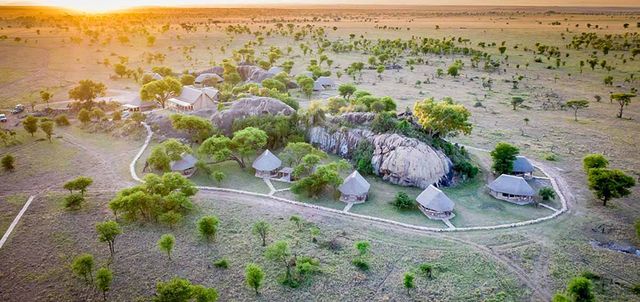
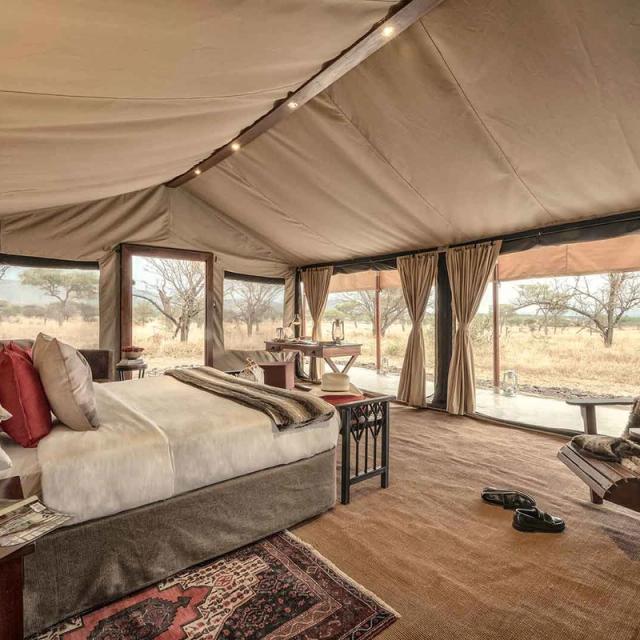
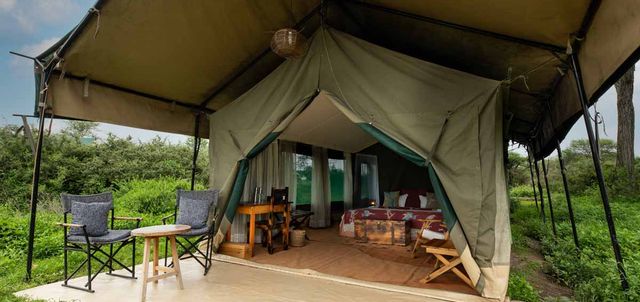
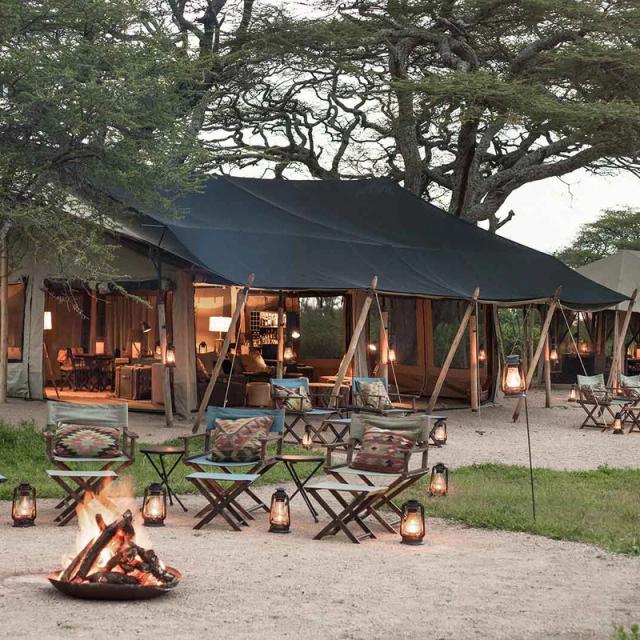
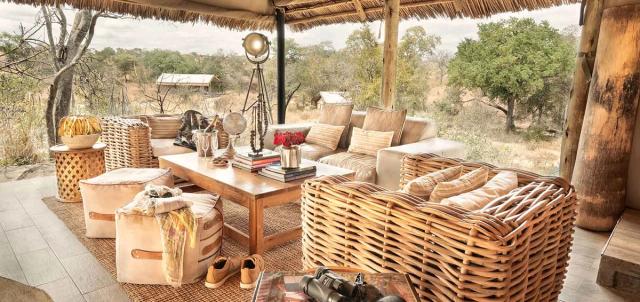
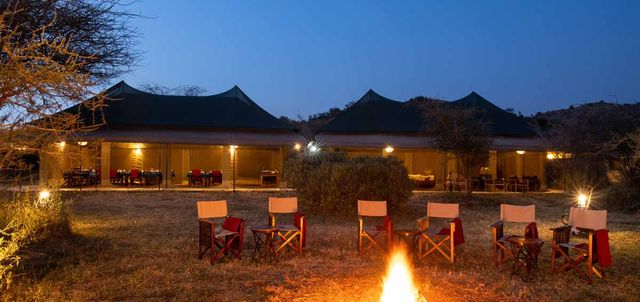
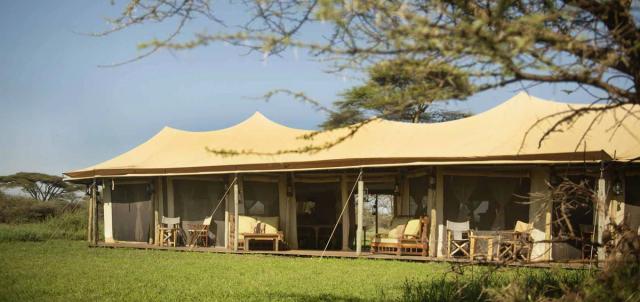
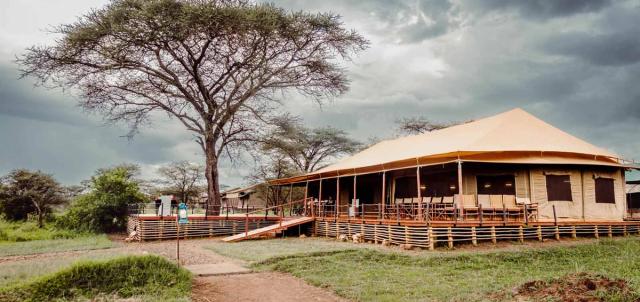
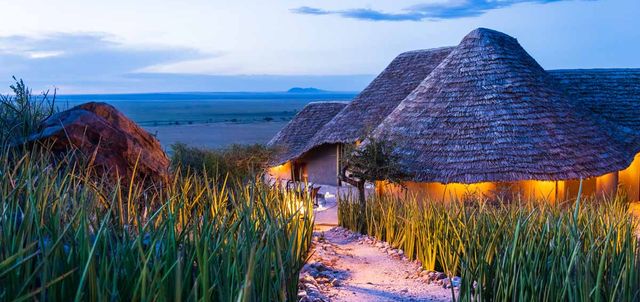
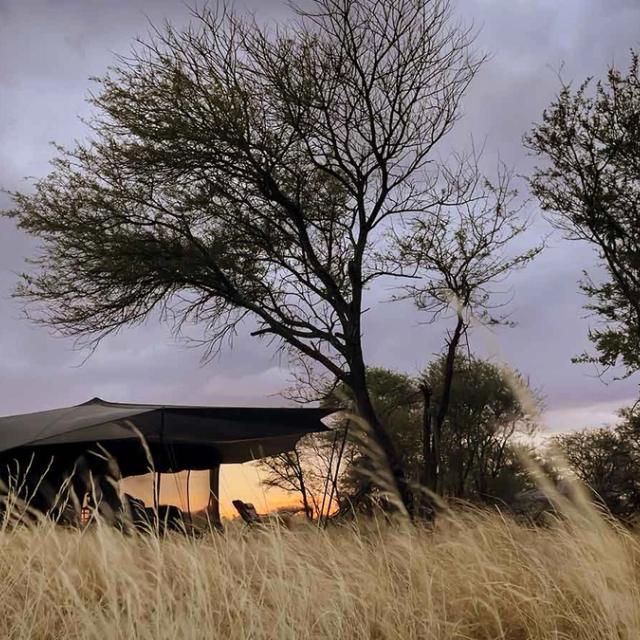
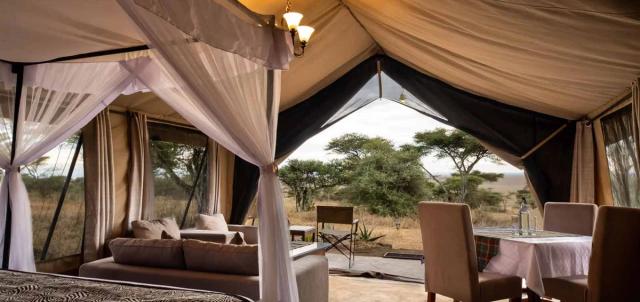
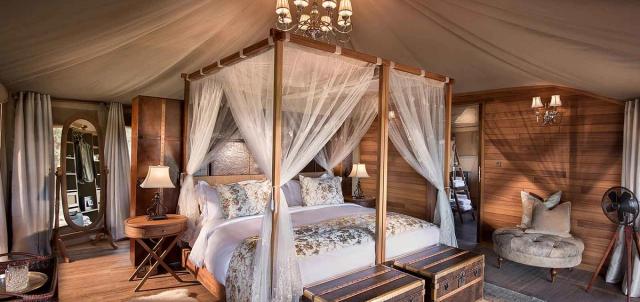
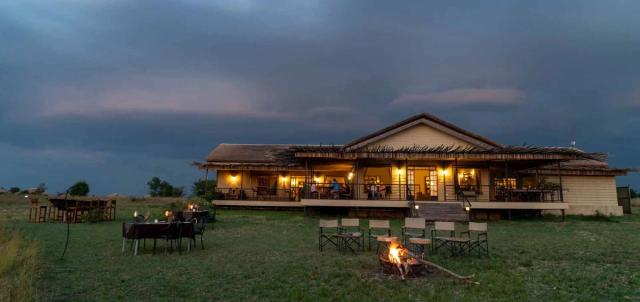
Perfectly positioned in a quiet corner of the game rich Seronera Valley in the Central Serengeti is Lemala Ewanjan Tented Camp . Offering excellent year round game viewing as well as ring side seats to the migration for much of the year.
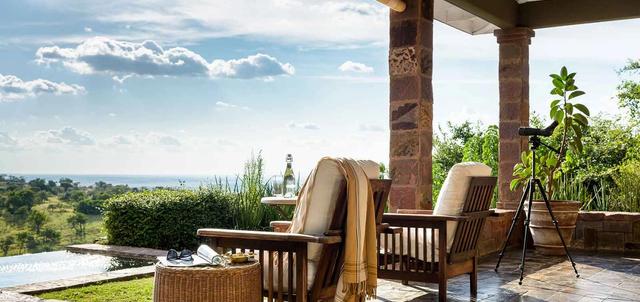
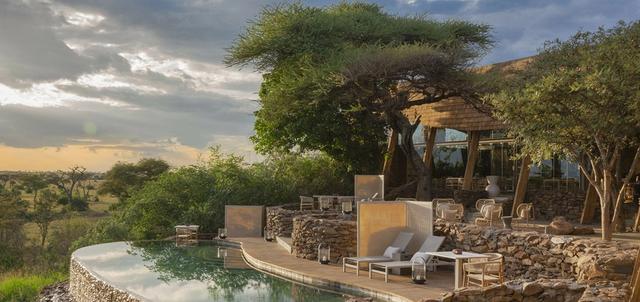
The Private Grumeti Concession in the Western Corridor is home to some of the most luxurious lodges in Africa, Singita Sasakwa Lodge , Singita Faru Faru Lodge and Singita Sabora Tented Camp In a prime position to view the wildebeest migration and excellent general game viewing.
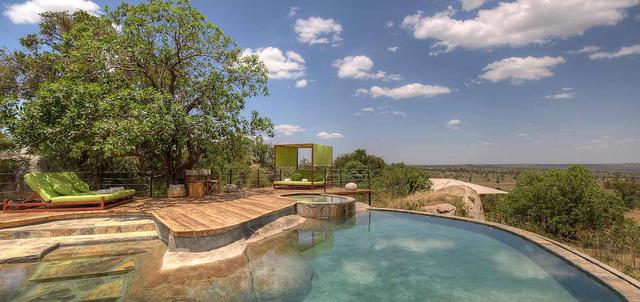
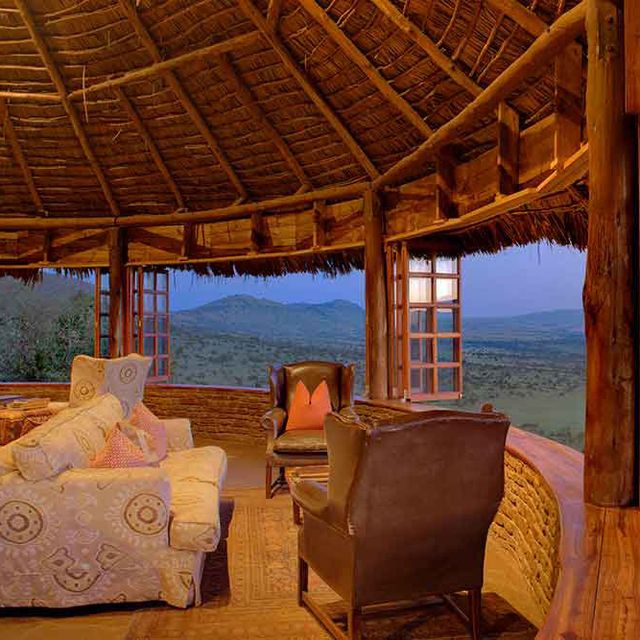
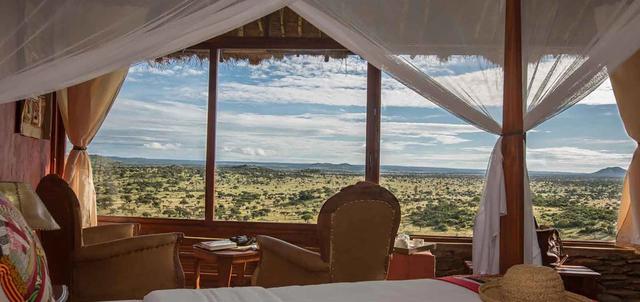
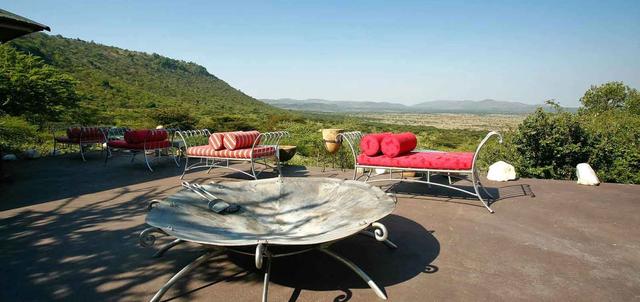
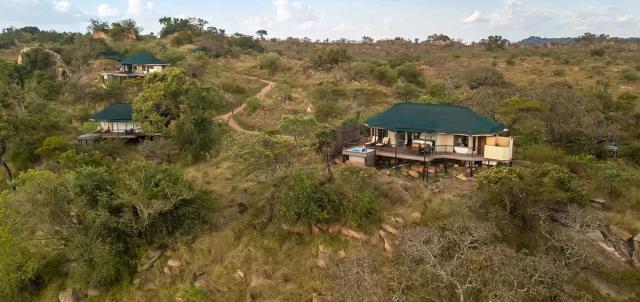
Located in the far north of the Serengeti, andBeyond Klein's Camp is perched on the Kuka Hills. Well positioned to catch the migration as they cross over into Masai Mara and on their way back, Kleins Camp offers a luxurious safari experience.
How to Get There
Safaris in Tanzania begin at Arusha, which is situated close to the northern safari locations.
Sun Safaris will fly guests to Kilimanjaro International Airport, which is the primary receiving airport in Tanzania. This airport is only a few kilometres away from Arusha airport, which is the safari node of the country and where most light air transfers take off from.
Once guests have landed at Kilimanjaro, they will connect with a road transfer that will take them to Arusha airport. Depending on timing of guests' itinerary, they might spend a night in Arusha before heading off on a scheduled flight to an airstrip or airport nearer their safari destination.
The Serengeti is the primary destination for northern circuit safaris and will almost always be included in an itinerary. Guests will be flown in a light air charter to an airstrip near the lodge booked for them.
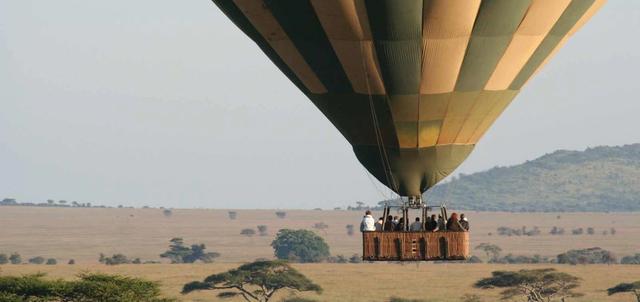
Serengeti National Park Game Viewing and Activities
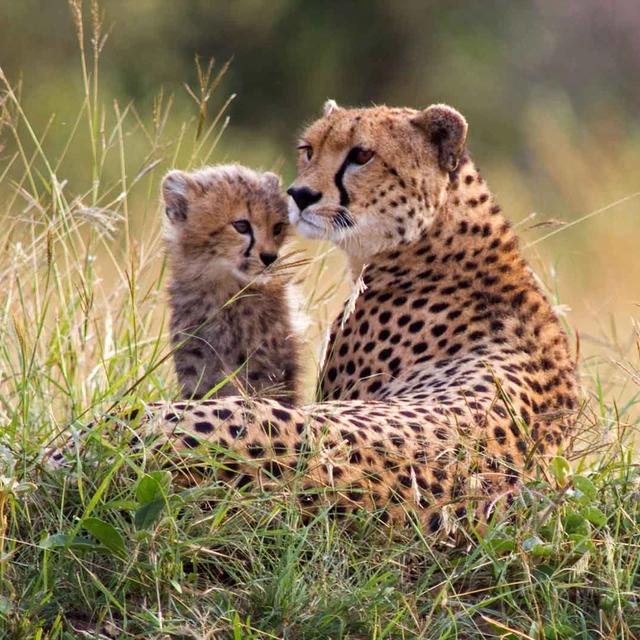
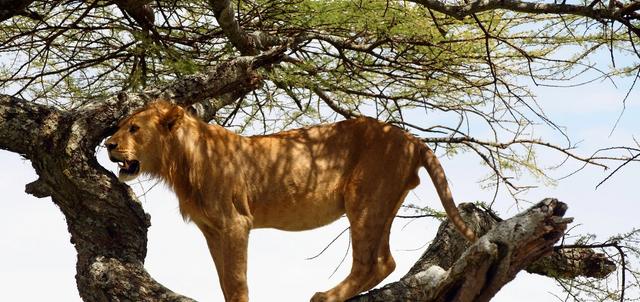
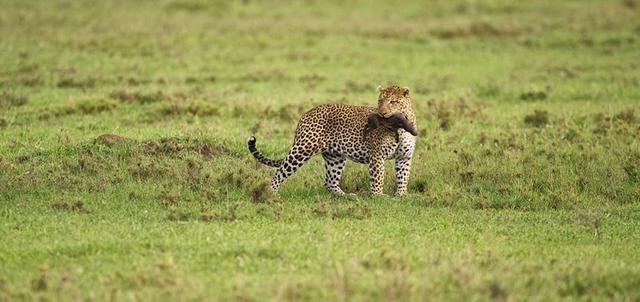
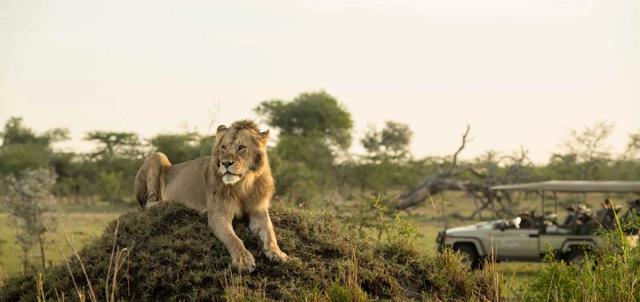
Although outnumbered 8 to 1, the zebra join in the migration, maintaining their family units of about a dozen members, each with a dominant stallion. Lion, cheetah, hyena and African wild dog follow the wildebeest and zebra, making sure that only the fittest survive. In November, when the grazing is finished in the north, this army of animals surges back to the now green pastures of the south, where they calve and mate before starting the entire cycle again.
Normally, the best time to see the animals here is during January and February. Heading north into the Park, the grass becomes noticeably longer, and it is usual to see Grant's and Thomson's gazelles, as well as the occasional small groups of topi and kongoni.
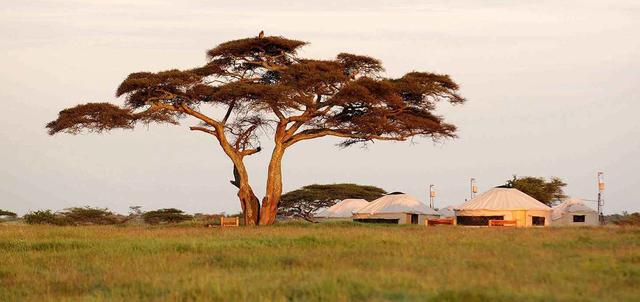
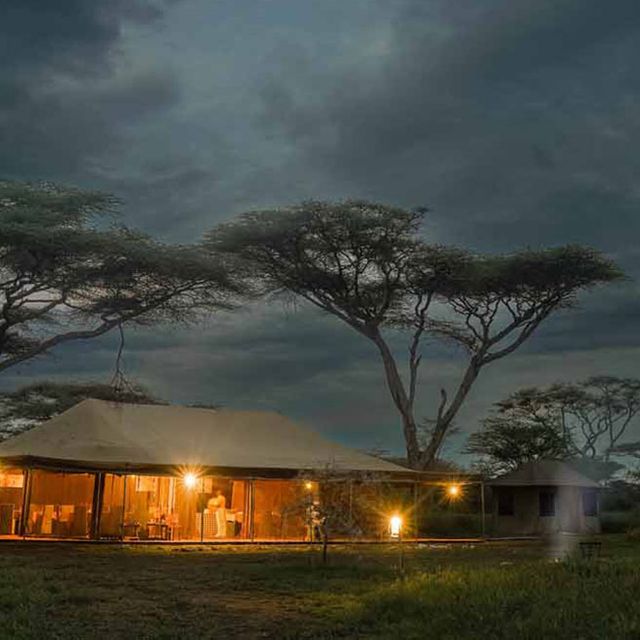
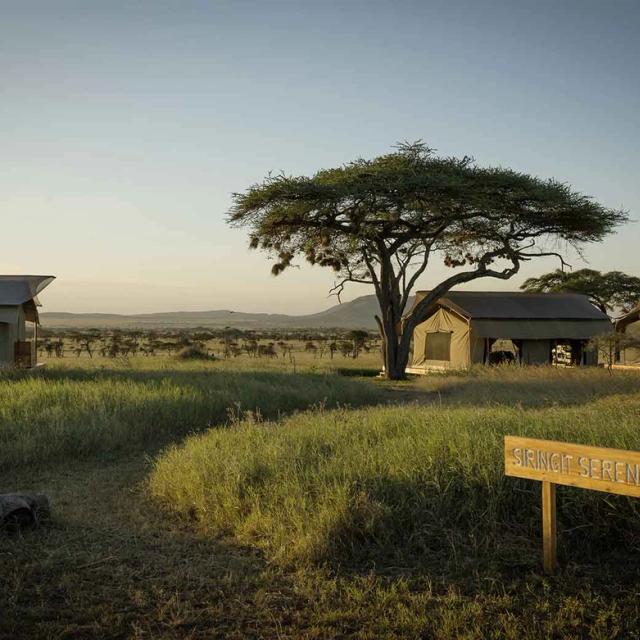
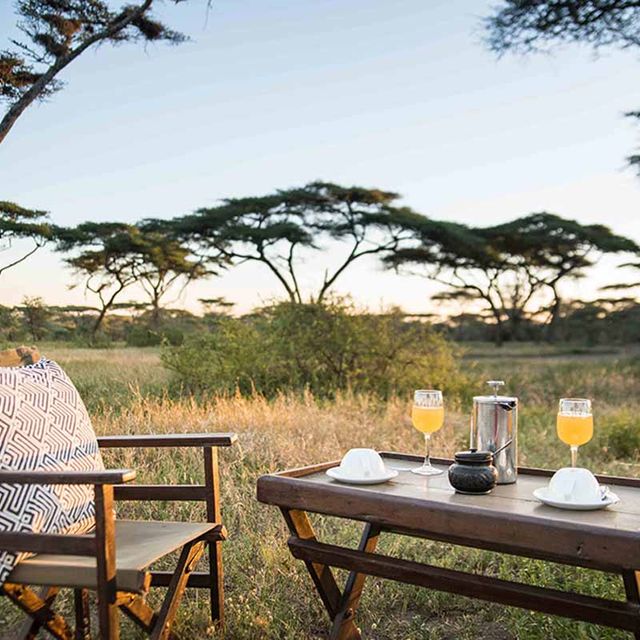
Towards Seronera, the park headquarters, the landscape becomes more varied. Hills rise out of plains criss-crossed by small rivers. Umbrella acacia trees appear, elegant and serene, contrasting with the twisted commiphora trees.