Namibia Safaris
Price Guide Request
Fill in the form below to receive our Namibia price guide.
A Namibia safari offers visitors some of the world's finest National parks and tourist destinations as well as some of the most remote places on our planet. Popular safari parks and areas include Etosha National Park, Sossusvlei, Damaraland, Skeleton Coast Park, Swakopmund, the Kunene Region as well as the Fish River Canyon Park, the world's second largest Canyon. A place that seems harsh, dry and lifeless, a Namibia safari offers approximately 4000 species of plants, 650 bird species and 80 mammal species. Species like the Hartmann's mountain zebra can be found nowhere else on the planet but here in Namibia.
The country is rich in history and culture and offers visitors the unique opportunity to meet and interact with the Himba people who migrated into Namibia approximately 600 years ago. They are situated in the north-west of the country in the Kunene Region. Namibia is known as the land of contrasts; the lively seaside town of Swakopmund is famous for their thrilling desert activities and for the more romantic at heart a ride in a Hot Air Balloon over the spectacular Sossusvlei Dunes offers a unique safari experience. Damaraland offers the ultimate in peace and tranquillity; an area known for their warm and friendly people as well as fascinating rock formations and bushman paintings.
Etosha National Park is Namibia’s finest wildlife sanctuary covering an area of more than 22 750sq kms. Visitors can expect to see the nearly 150 mammal species in the Park, including several rare and endangered species such as the black rhino, black-faced impala, tssesebe and gemsbok.
Damaraland is unique and one of the most breathtaking areas in Namibia; a wild and untamed region situated between the Skeleton Coast and the Etosha National Park.
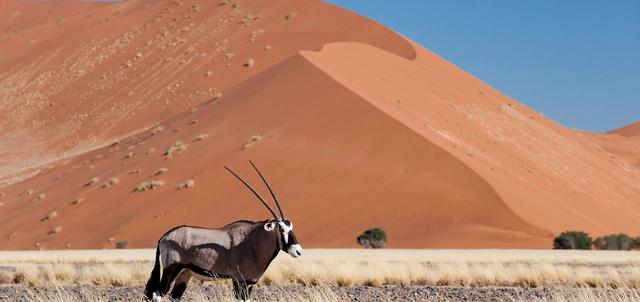
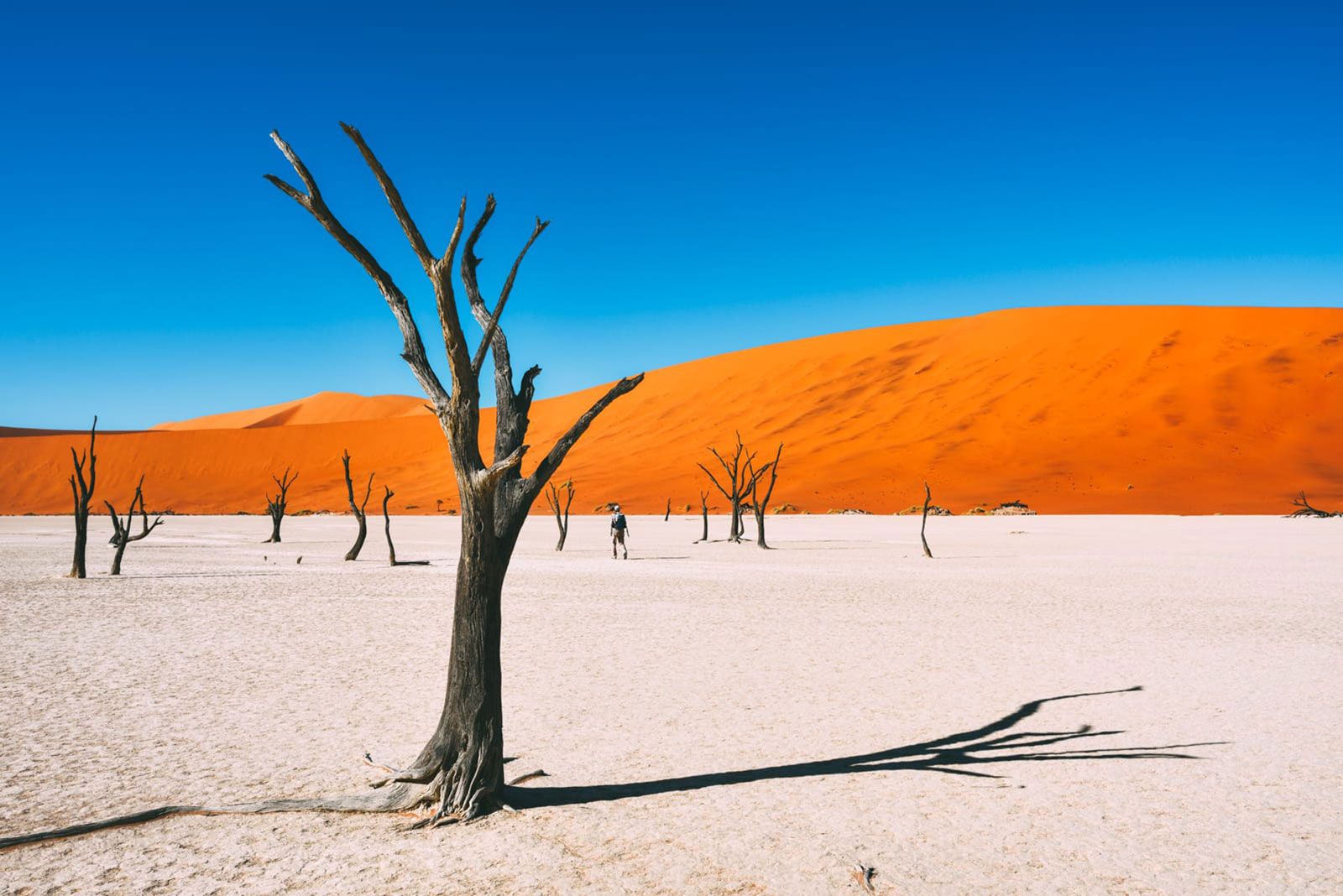
Sossusvlei is home to the highest and most spectacular sand dunes in the world. It is one of Namibia’s highlights and one of the most extraordinary places in the world; surrounded by ancient volcanic mountains.
Game viewing on a Namibia safari is a unique and unusual experience; for a place that may seem lifeless, Namibia offers approximately 4000 species of plants, 650 bird species and 80 large mammal species. Species like the Hartmann's mountain zebra, the dune lark and Peringuey's adder occur nowhere else on the planet but here. Desert-adapted wildlife such as ostrich, springbok, gemsbok, elephant and wildebeest can be found as well as smaller animals like the bat-eared fox and aardwolf can be seen at night.
At Ongava both the desert-adapted black and white rhino can be seen as well as lion. The largest population of black-faced impala, listed as endangered can be found at Ongava. Endemic bird species like the bare-cheeked babbler, violet wood-hoopoe and the rosy-faced lovebird are a highlight amongst birders.
Air
Sun Safaris can arrange scheduled flights for visitors from all major airports in South Africa into Windhoek International airport in Namibia. From Windhoek International airport there are various means of transport available depending on guests' requirements. Guests can take a light aircraft transfer from Windhoek Airport or Eros airport or Sun Safaris can arrange a rental car for you if time is not of the essence.
Land
Self-drive holidays are very popular in Namibia and Sun Safaris can arrange a rental car for you. The roads are in good condition and sufficient time is essential when planning a self-drive holiday in Namibia due to the distances involved. A normal sedan car (2WD) is suitable; however 4x4 vehicles can be arranged.
Most of Namibia is dry and pleasant and it offers a year round destination. Recommended months are between May to November, most visitors prefer to avoid the hot, humid and rainy months, December to March, with thunderstorms in the afternoons. These are more common in the centre and east of the country, and more unusual in the desert.
March, April and May usually offer ideal weather conditions in Namibia with pleasant days. From June to August, also the winter months, the early mornings and late afternoons become cooler and dryer. Night temperatures can be very cold, dropping to below freezing in some desert areas.
During September and October, the days start to warm up again with dry conditions. November can be hot and dry and the first rain might arrive which is quite and experience in this dry and arid country.

Namibia Safaris
Price Guide Request

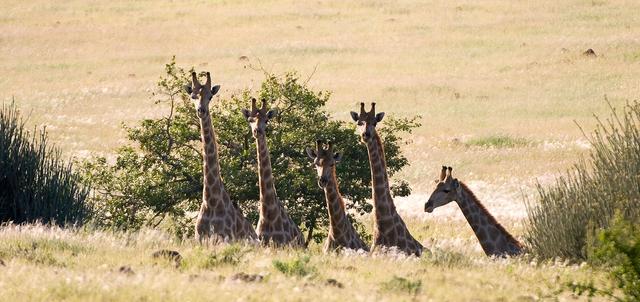
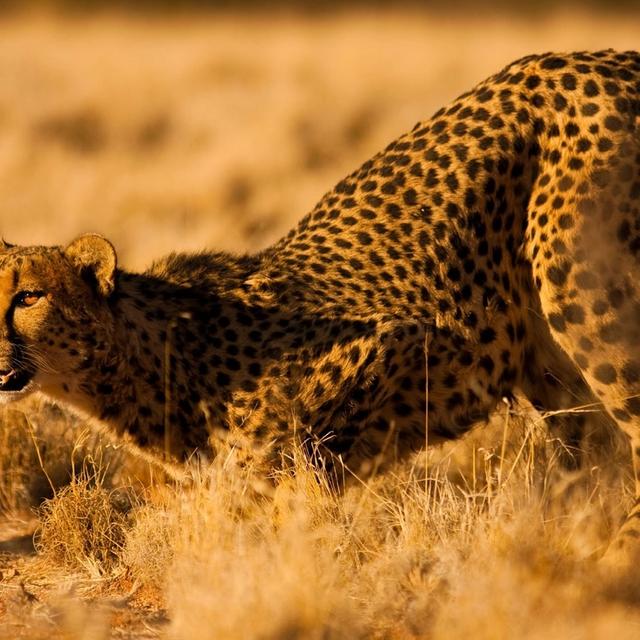
Damaraland offers visitors a unique experience; a place where peace and serenity reigns; where guests can truly relax and unwind and restore body, mind and soul. It is one of the most pristine and untouched wilderness areas in Namibia; with magnificent sunsets and breathtaking views across barren plains, ancient valleys and rocky crops. The star-gazing incredible and guests can enjoy romantic dinners under a beautiful Namibian sky. Damaraland is known for their friendly people and peaceful environment; a remote area that offers privacy and exclusivity. The area also has some of Africa's best rock engravings including the famous Twyfelfontein etchings. Wildlife in the area includes desert-adapted elephants, good populations of Hartman's mountain zebra, southern giraffe, gemsbok, springbok, and cheetah, spotted and brown hyena. The bird life is prolific with raptors including Martial Eagle, Lappet-faced Vulture and Pale Chanting Goshawk.

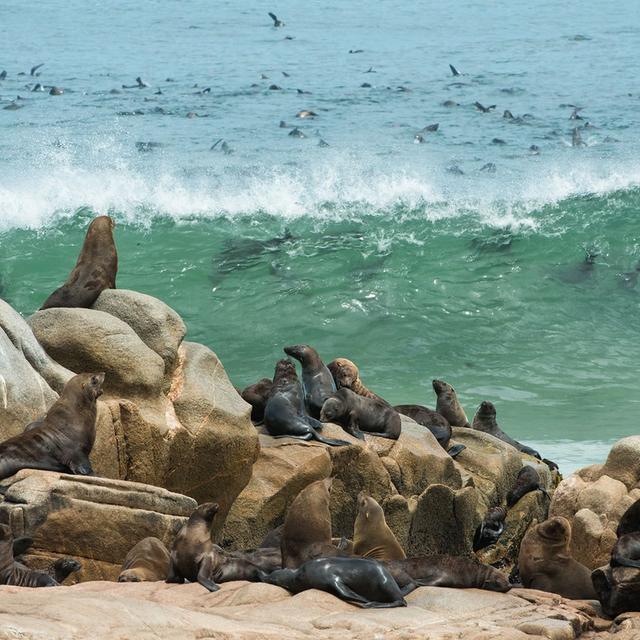
The Skeleton Coast Park is remote and unique and offers complete solitude; it is one of the least visited places on the planet. The Skeleton Coast Park is wild and untouched, obscured by mist, dating back to 1963 when used mainly for political reasons. The area is magical and mysterious and the ideal destination for guests wanting an active and adventure-filled safari experience. Located where the Namib Desert meets the Atlantic Ocean on the northwest coast of Namibia and is named after the bleached whalebones and scattered remains of shipwrecks that washed up on its shores. The early morning mist off the Atlantic Ocean sustains a surprising amount of life, from larger mammals to the extraordinary Welwitschia plant. Springbok, gemsbok (oryx), the rare desert-adapted elephant, brown hyena, black-backed jackal, and sometimes even lion and cheetah enter this harsh and barren region. The bird-life in the area is great with over 200 species present.

The Caprivi Strip is known to offer magnificent wildlife and superb bird-watching; with no fences between parks in the region wildlife can roam freely providing fantastic game viewing. The deep Kalahari sands and tropical waterways found here are home to an exciting variety of wildlife that differs considerably to that of the rest of Namibia, in fact it is the only area in Namibia that is lush and green and well watered by rivers. The Mudumu National Park is located on the eastern side of the Caprivi Strip; an extensive Park that covers approximately 1000km². Mudumu National Park is renowned for its buffalo population, roan and sable antelope, red lechwe and the water-dependent sitatunga together with large elephant herds. Other wildlife includes lion, hippo, impala, Burchell's zebra, greater kudu and common waterbuck, reedbuck and bushbuck.

Sossusvlei is one of the most extraordinary places in the Namib Desert; home to the highest sand dunes in the world surrounded by ancient volcanic mountains and one of Namibia's most outstanding features. The 'vlei' itself only fills after very rare heavy rainfall when it becomes a magnificent turquoise lake. Apart from the spectacular scenery and geological fascinations at Sossusvlei and Sesriem Canyon, the area is ideal for observing some of the dune life for which the Namib is so well known. Geologists believe that this magnificent desert, that covers most of the Namib Naukluft National Park, is the oldest desert in the world. Desert-adapted wildlife such as ostrich, springbok and gemsbok can be found here as well as predators including spotted hyena and occasionally brown hyena.

The Fish River Canyon is the second largest canyon in the world and the second most visited tourist attraction in Namibia. It is a spectacular sight and slightly off the beaten track but a definite must- see in Namibia. The canyon was formed by the erosion of water of the Fish River, remnants of which appear as distant emerald pools on the floor of the canyon. One of Southern Africa's most popular hiking trails are located here. The area is too hot to visit during the summer months and the recommended time to visit is between April and September, this is also the only time when visitors can walk the Trail. Activities and game viewing in the area are limited. Wildlife in the area is limited however springbok and steenbok are occasionally seen on the plains at Hobas. Klipspringer and troops of Chacma baboons can be seen on rocky slopes and mountain zebra favour the rugged ravines but are rarely seen. The bird- life is superb.

The Waterberg Plateau is a fascinating gigantic rock, 20km wide and 50km long consisting of porous sandstone. The Waterberg area is a protected area and nature conservancy and home to endangered species like the Black and White Rhino, Sable Antelope, Blue Wildebeest as well as a rare breeding colony of Cape vultures are found here. Leopard, buffalo, giraffe and the exquisitely coloured and horned roan and sable antelope are amongst the animals living on top of this magnificent brick-red sandstone structure. More than 200 bird species have been recorded in the park with seven of them endemic to Namibia, including Ruppell's parrots. There are also an abundance of raptors with various eagles, buzzards and falcons. Activities inside the resort include guided walks and game drives.

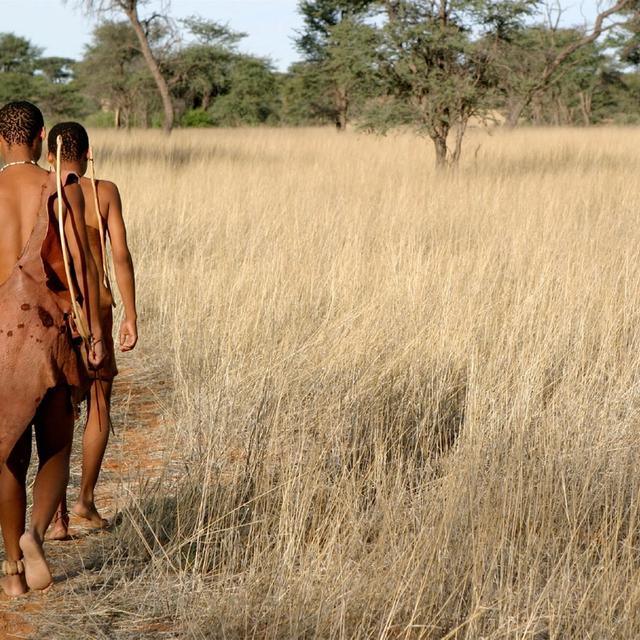
The Kalahari Desert spreads over 7 different countries in southern Africa. A big part of eastern and southern Namibia is covered by the Kalahari Desert; although not a typical and traditional desert due to the fact that it receives more rain than an official desert. The Kalahari Desert has been home to the San people known as the San Bushmen of the Kalahari Desert for over hundreds of years. Bushman rock art can be found in the Damaraland region. The Kalahari has also been called a fossil desert and is truly one of the world's most fascinating landscapes. The Kalahari Desert also referred to as the Kalahari Thirstland; regardless of irregular and unpredictable rainfall the area supports a wide variety of desert adapted fauna and flora.

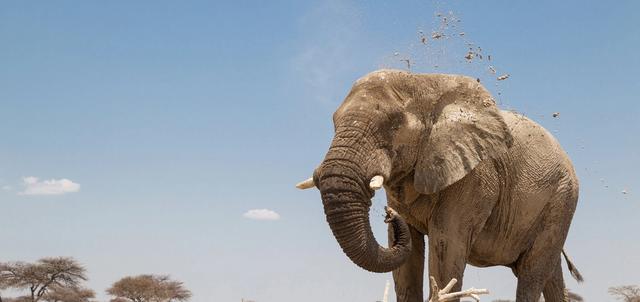
Etosha National Park is also known as the "Great White Place". Etosha means "place of dry water" and is centered around a pan approximately 5000 km² in size; the largest salt pan in Africa. Etosha National Park is the largest game reserve in Africa and Namibia's prime wildlife destination. Wildlife activities provide good game viewing year round. Guests can visit a number of springs and pans in search of lion, leopard, elephant, giraffe, red hartebeest, the endemic black-faced impala and black rhino, as well as plains game such as wildebeest, zebra and springbok. The elephants in Etosha National Park are the largest in Africa. Large populations of Zebra, Wildebeest, Springbok and Gemsbok migrate into Etosha westward from the Namutoni area around October-November. The bird life is prolific in Etosha National Park, with over 325 species recorded, particularly on the Etosha Pan during the rainy summer season from mid-January to March.

The Khaudum National Park is situated in the north-east Kalahari biome of Namibia, on the border to Botswana. Initially, Khaudum was established to protect the lifestyle of the San Bushmen who have inhabited the Kalahari desert for thousands of years. Today, it is the most pristine nature conservation area in Namibia, falling within the Kalahari Sandveld, 3842 square kilometres in area. Purely a 4X4 destination with minimal and primitive, unfenced camping facilities.