Chikoko Walking Trails
Chikoko Walking Trails offers a unique experience in the South Luangwa National Park; an area famous for offering the best walking safaris in Africa. Chikoko Walking Trails are conducted in a remote and unspoiled area, rich in wildlife and birdlife.
Chikoko Walking Trails Highlights
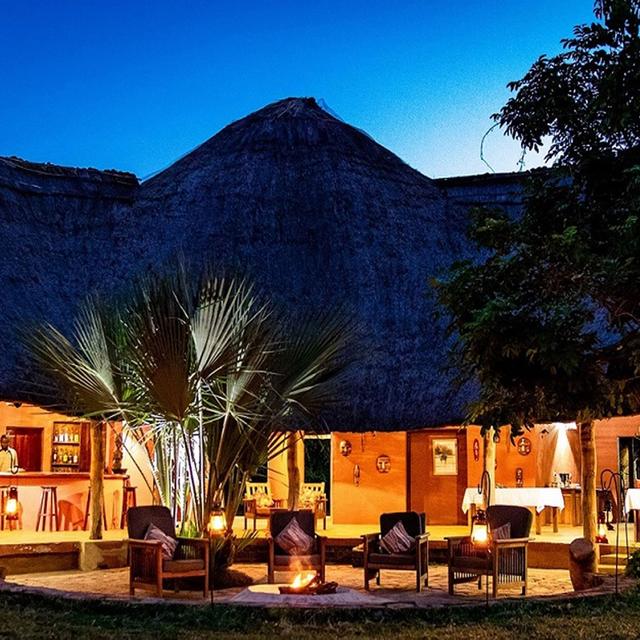
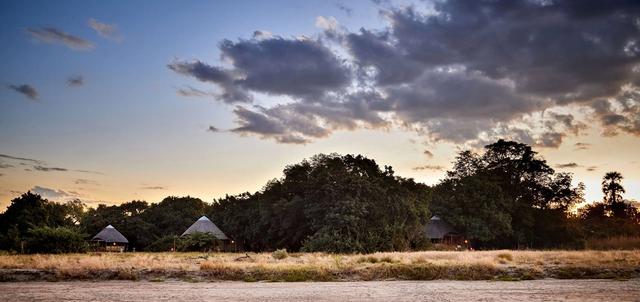
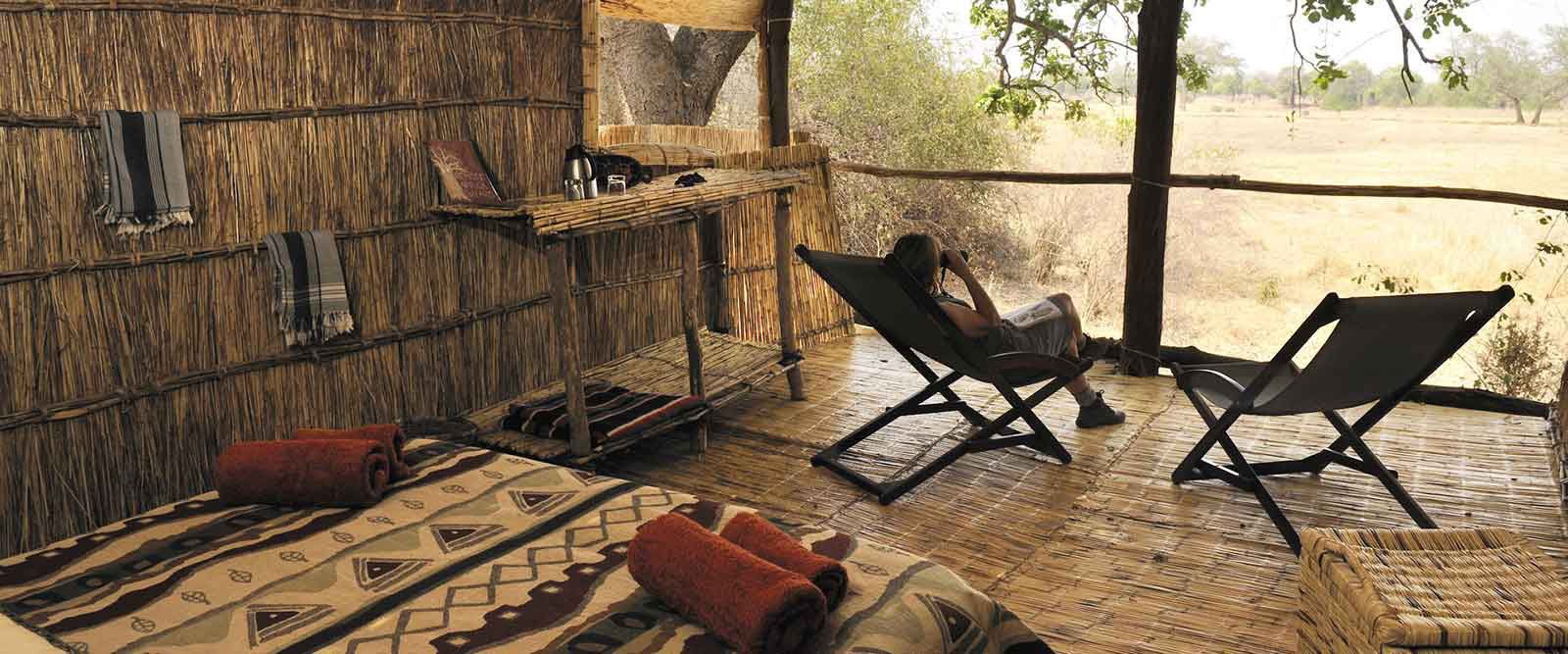
Chikoko Walking Trails in the South Luangwa National Park in Zambia are conducted in a magnificent and remote area, rich in wildlife and birdlife. Chikoko Walking Trails operate on the west bank of the Luangwa and two camps namely Chikoko Tree Camp and Crocodile River Camp are used. Chikoko Walking Trails are seasonal and trails are operated between June and October. Chikoko Tree Camp is situated 8km upstream of Tafika and offers 3 twin chalets built on raised wooden decks off the ground. Crocodile River Camp also offers 3 chalets built of thatch and natural materials situated underneath the trees offering spectacular views. Walks normally last between 3-4 hours on fairly flat terrain. We recommend that you stay 2-3 nights in each camp to give you enough time to explore the magnificent South Luangwa National Park.


- Re-built every season from skilfully crafted, locally available materials, the camp is about as organic as you can get.
- Chikoko Tree Camp, along with Crocodile River Camp, provides an interval in walking safaris from Tafika Camp.
- Old oxbow lakes, grassy pans and wooded riverbanks make for excellent bird and game viewing.
- The walking areas are free of vehicles and roads, ensuring a true wilderness experience.
Chikoko Walking Trails Game Viewing and Activities
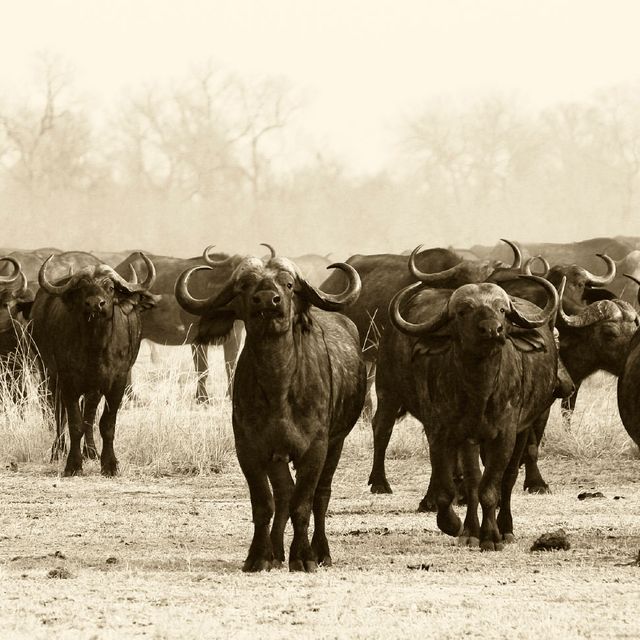
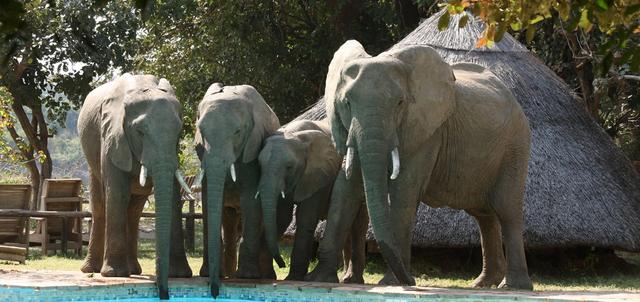
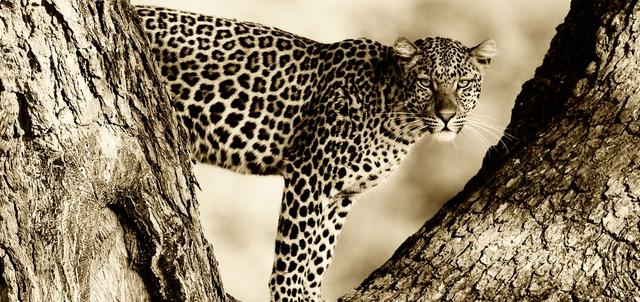
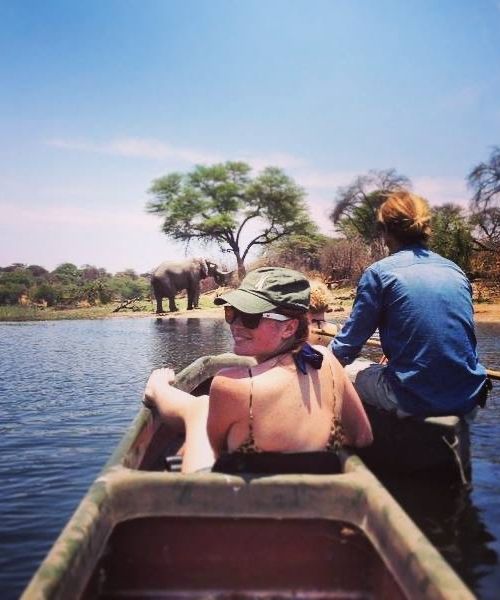
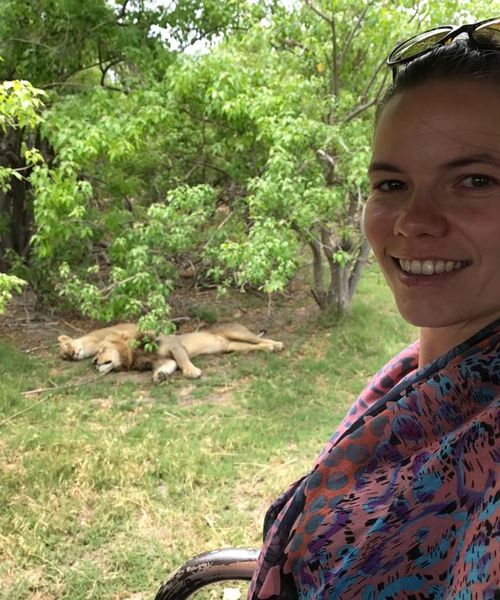
The South Luangwa National Park hosts a wide variety of wildlife, birds and diverse and lush vegetation. The now famous 'walking safari' originated in South Luangwa National Park and is still one of the finest ways to experience this pristine wilderness first hand. There are 60 different animal species and over 400 different bird species in the park. Guests can expect to see large elephant herds, reaching up to 70 in number. Buffalo are abundant and spread throughout the valley as well as hippos can frequently be seen along the river banks. Zebra can be seen running in small herds of about a dozen. Thornicroft's Giraffe is unique to Luangwa Valley and should be easily spotted. The park has 14 different antelope species, most of which are easily seen on game and night drives. Perhaps the most beautiful is the Kudu, with its majestic spiral horns and delicate face. Although fairly common, they're not always easy to find due to their retiring habits and preference for dense bush.